Table of Contents
How to Choose the Right Wood Range Hood for Your Kitchen
If you are designing a rustic farmhouse kitchen, a modern organic retreat, or a traditional gathering space, selecting a wood range hood is the ultimate design flex. It bridges the gap between functional appliance and high-end furniture.
But picking the right one isn't just about finding a pretty piece of lumber. It requires balancing aesthetics with a bit of kitchen science. This guide will walk you through the most important considerations when choosing a wood range hood, from sizing and style to ventilation and finish options.
Why Choose a Wood Range Hood?
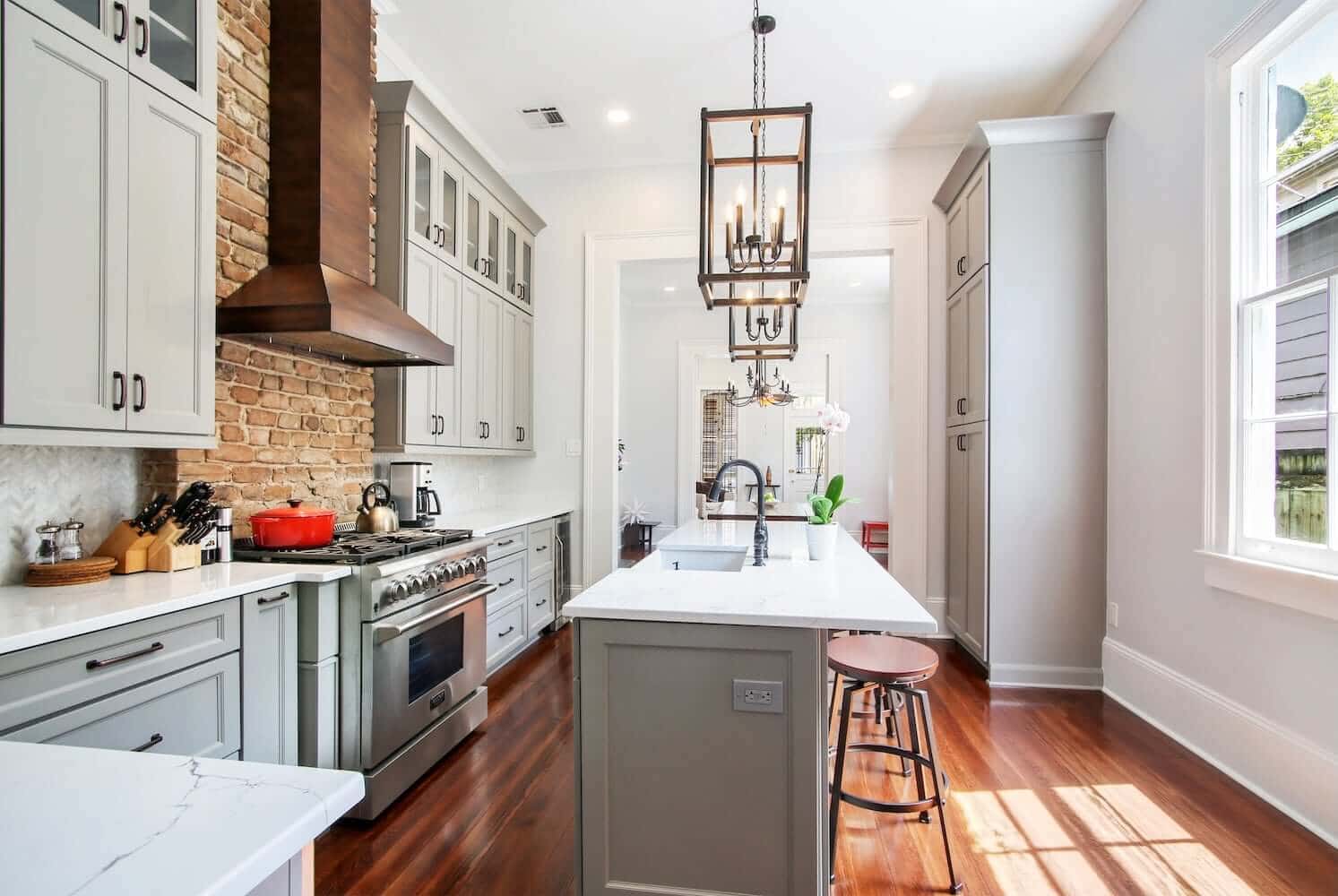
Wood instantly brings an organic, architectural elegance to the heart of your home. Wooden range hoods have become increasingly popular because they can be customized to complement cabinetry, create a focal point, and bring a handcrafted feel to the kitchen. Shop Wood Range Hoods
Benefits of wood range hoods include:
Timeless and organic visual appeal
Customizable finishes and paint colors
Compatibility with multiple kitchen styles
Increased architectural interest and visual warmth
Steps for Choosing a Wood Range Hood
Step 1: Determine the Correct Size
Before selecting a style or finish, you need to choose the appropriate size for your range hood.
Match the Width of Your Cooking Surface
When it comes to range hoods, scale is everything. If your hood is too small, it looks like an afterthought; if it's too big, it swallows the kitchen.
As a general rule, your range hood should be at least as wide as your cooktop or range.
The Width: Standard practice dictates that your range hood should match the width of your cooktop. However, if you want optimal smoke and grease capture, go 6 inches wider than your cooktop.
The Height: Most manufacturers recommend mounting the hood 30 to 36 inches above the cooking surface. Any lower, and you risk damaging the wood or bumping your head; any higher, and it won't vent effectively.
Common pairings include:
Range Size | Recommended Hood Width |
30-inch Range | 30 to 36 inches |
36-inch Range | 36 to 42 inches |
48-inch Range | 48 to 54 inches |
60-inch Range | 60 inches or larger |
Consider Ceiling Height
Tall ceilings often benefit from larger wooden hoods with extended chimney sections. A properly scaled hood can help maintain visual balance and prevent the kitchen from feeling disproportionate.
Step 2: Choose a Style That Complements Your Kitchen
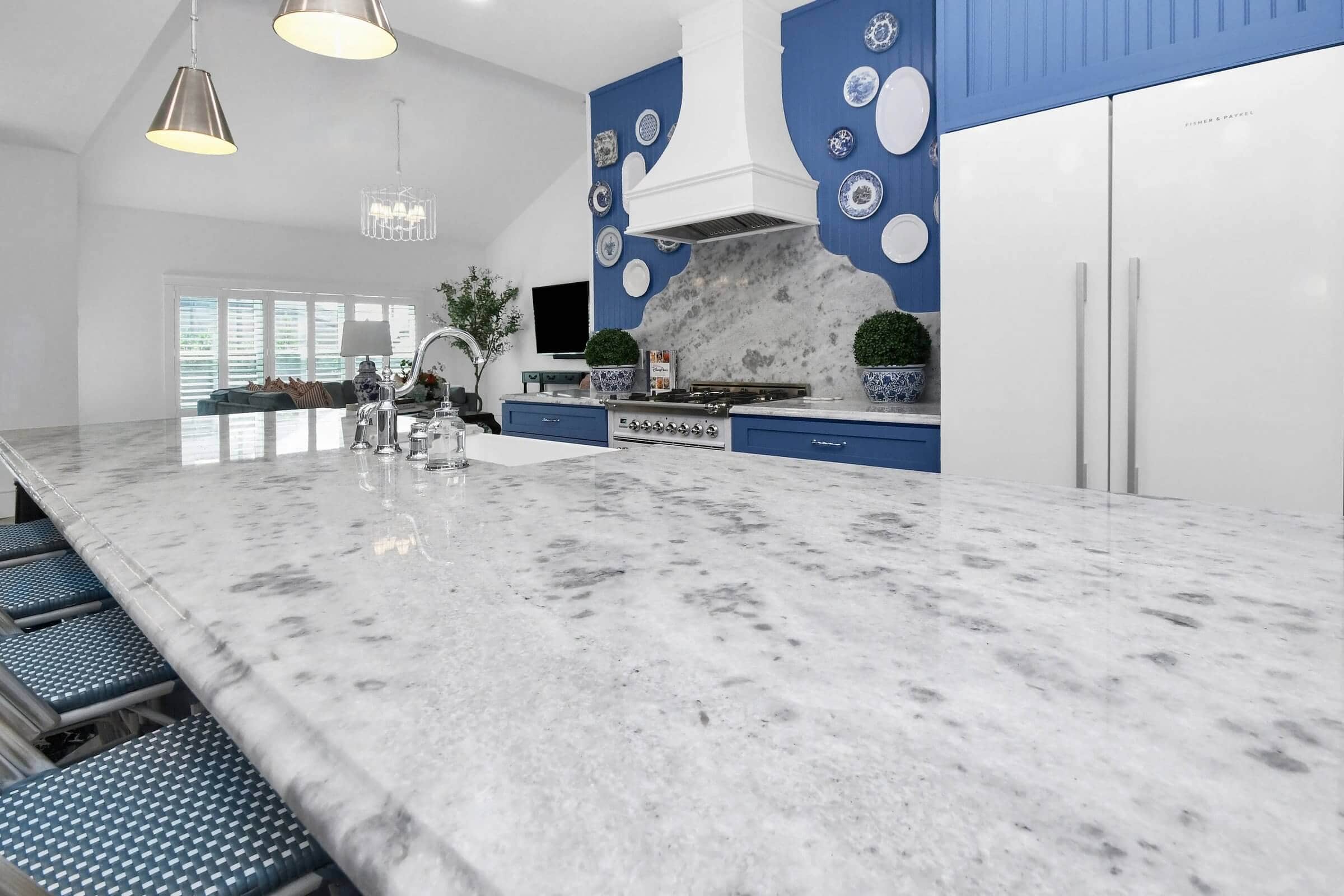
Wood range hoods are available in a variety of styles, each suited for different kitchen aesthetics, and the silhouette you choose will set the tone for your entire kitchen design.
Choose the Right Wood: The best wood species are those less prone to warping and cracking under temperature fluctuations, such as pine, cherry, oak, and walnut. Maple is also excellent if you plan to paint the hood, as it features a smooth, tight grain.
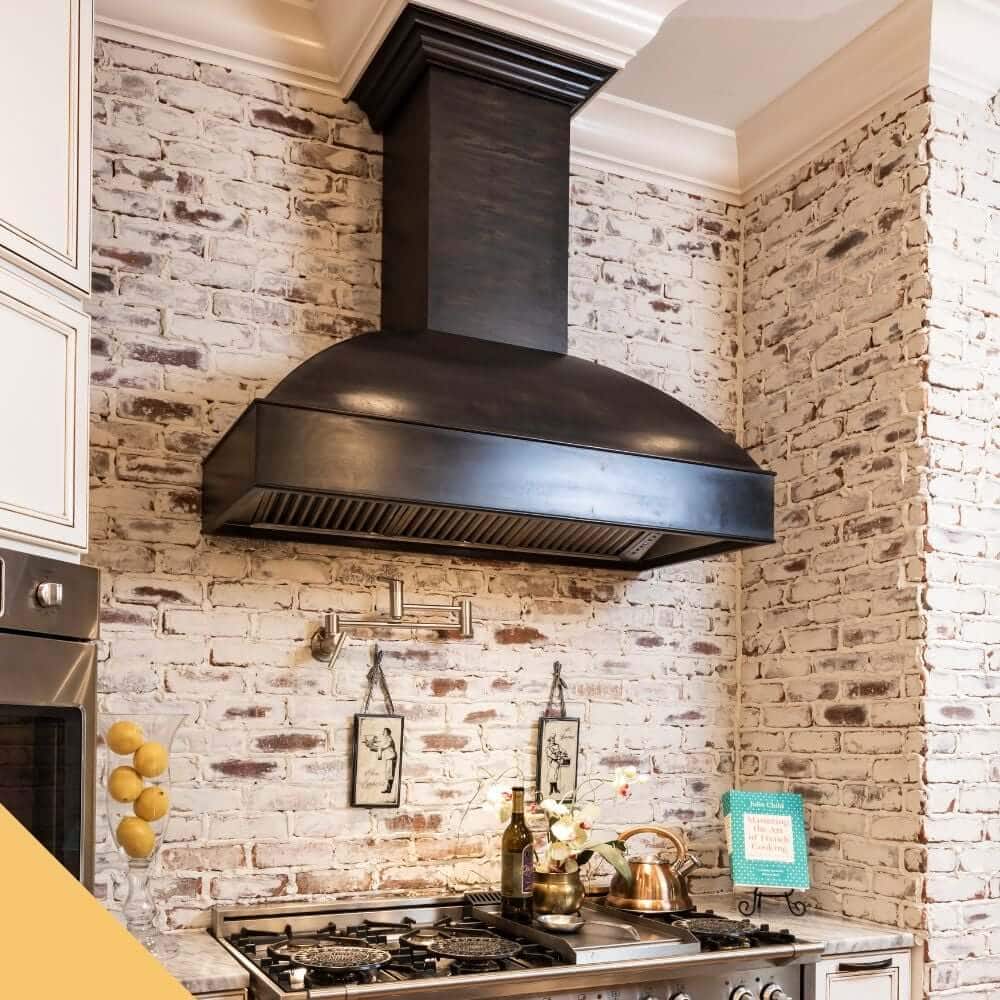
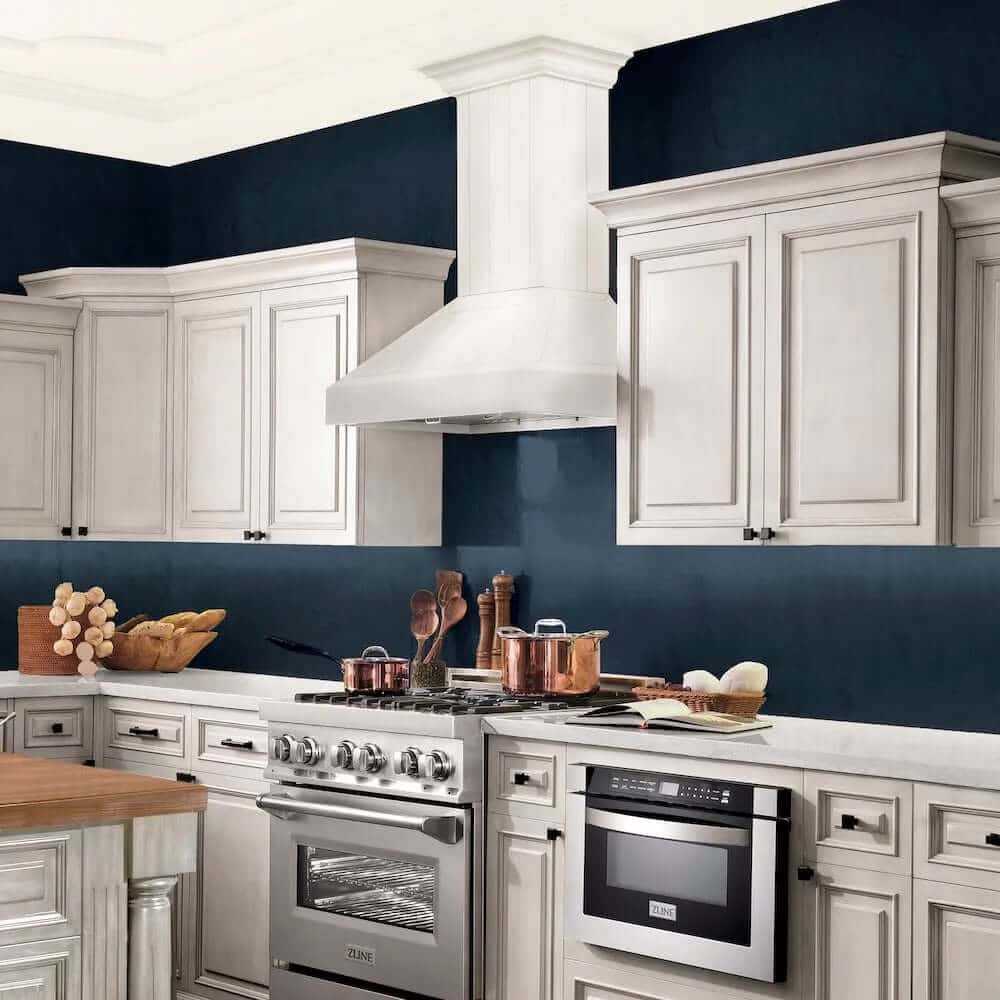
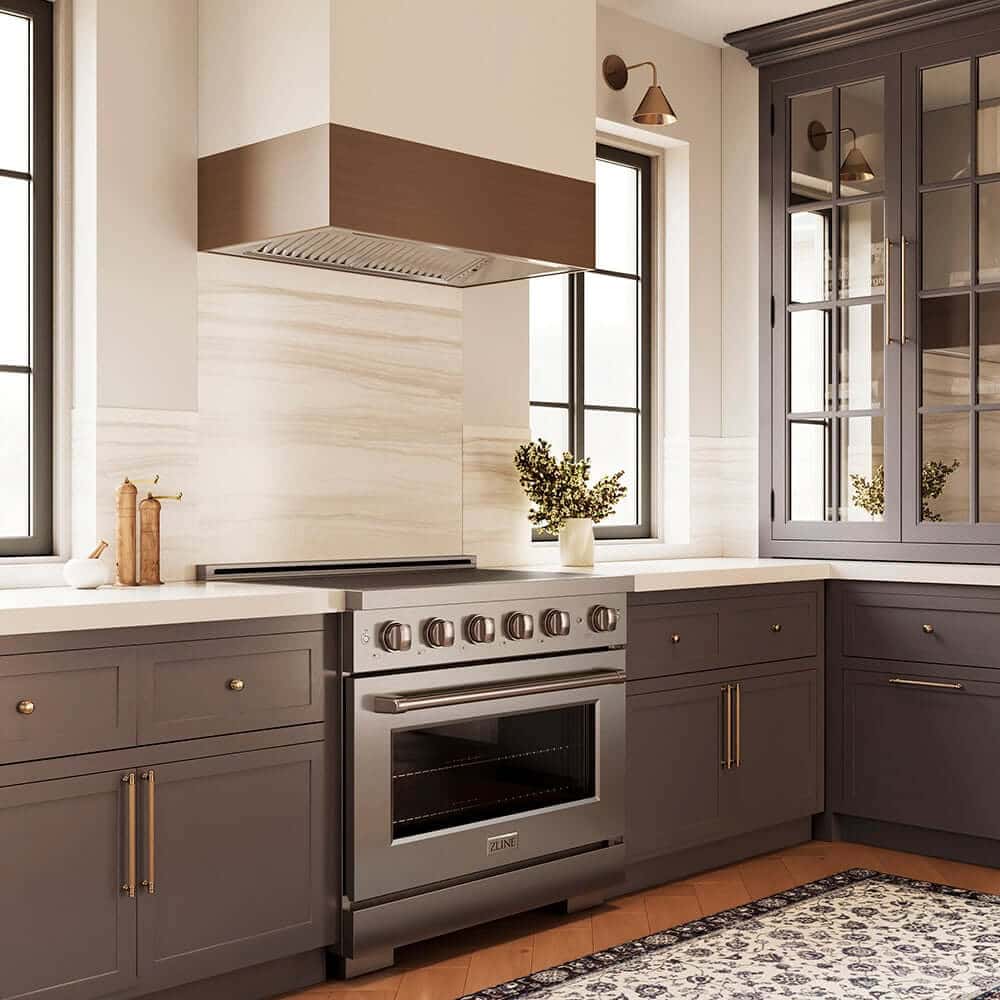
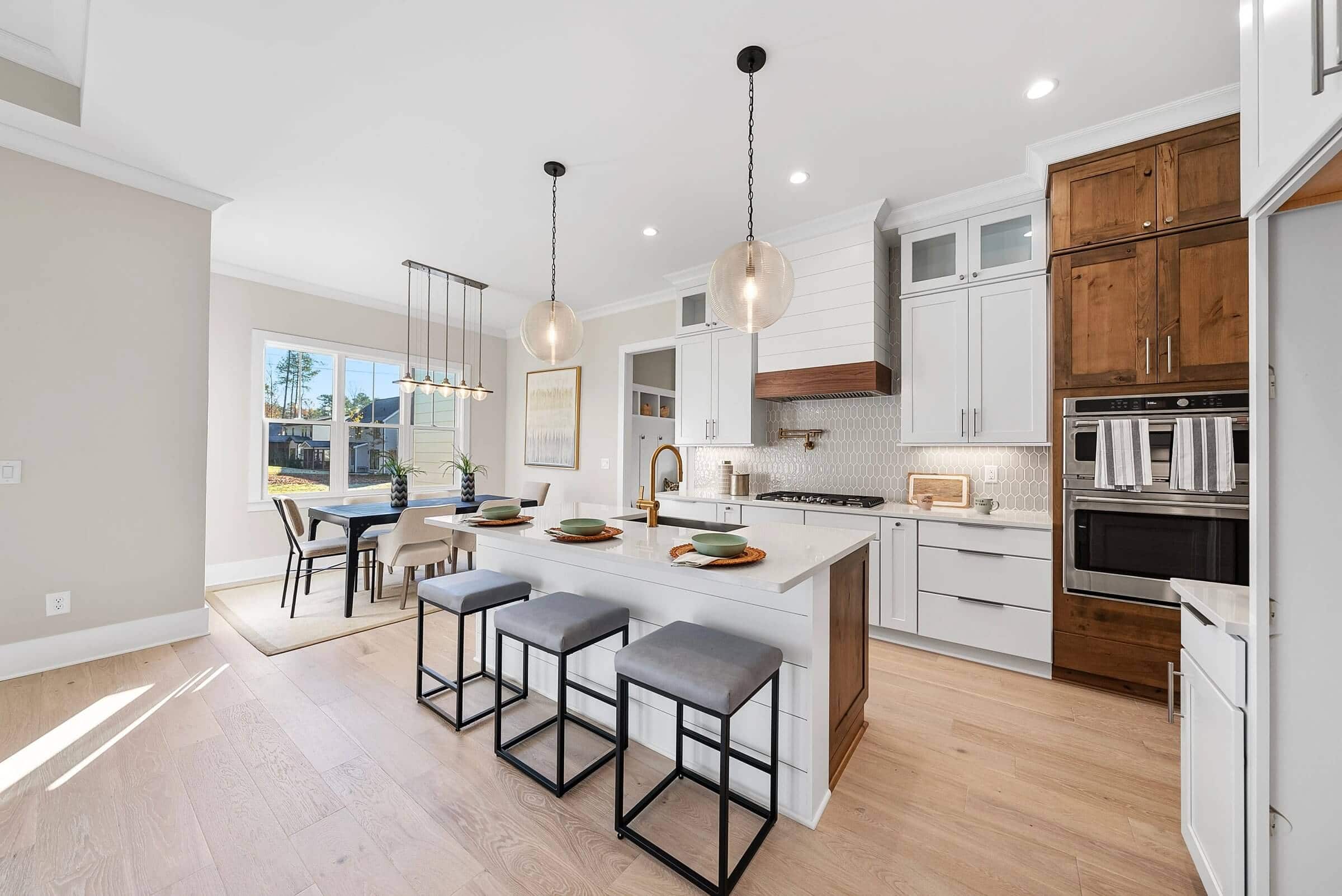
Choose the Right Style: Farmhouse and Contemporary are two of the most common styles when it comes to wooden range hood designs. Farmhouse range hoods evoke a cozy, rustic charm, while contemporary designs, on the other hand, embrace straight lines, minimalist slatted panels, and smooth, flush finishes.
Farmhouse Wood Range Hoods
Farmhouse-style hoods often feature:
Shiplap details
Decorative trim
Distressed finishes
Natural wood textures
Farmhouse wooden range hood designs pair well with apron-front sinks, shaker cabinets, and rustic accents.
Contemporary Wood Range Hoods
Contemporary styles typically include:
Clean lines
Minimal ornamentation
White oak finishes
Smooth surfaces
Geometric silhouettes
Contemporary wood range hoods are commonly found in organic, modern, and Scandinavian-inspired kitchens.
Many people opt to stain the hood the same color as their lower cabinets, or paint it a contrasting accent color to make it a standalone focal point.
One thing we frequently tell customers here at The Range Hood Store is that a beautiful wood grain adds warmth and can help break up the monotony of all-white or all-grey kitchens.
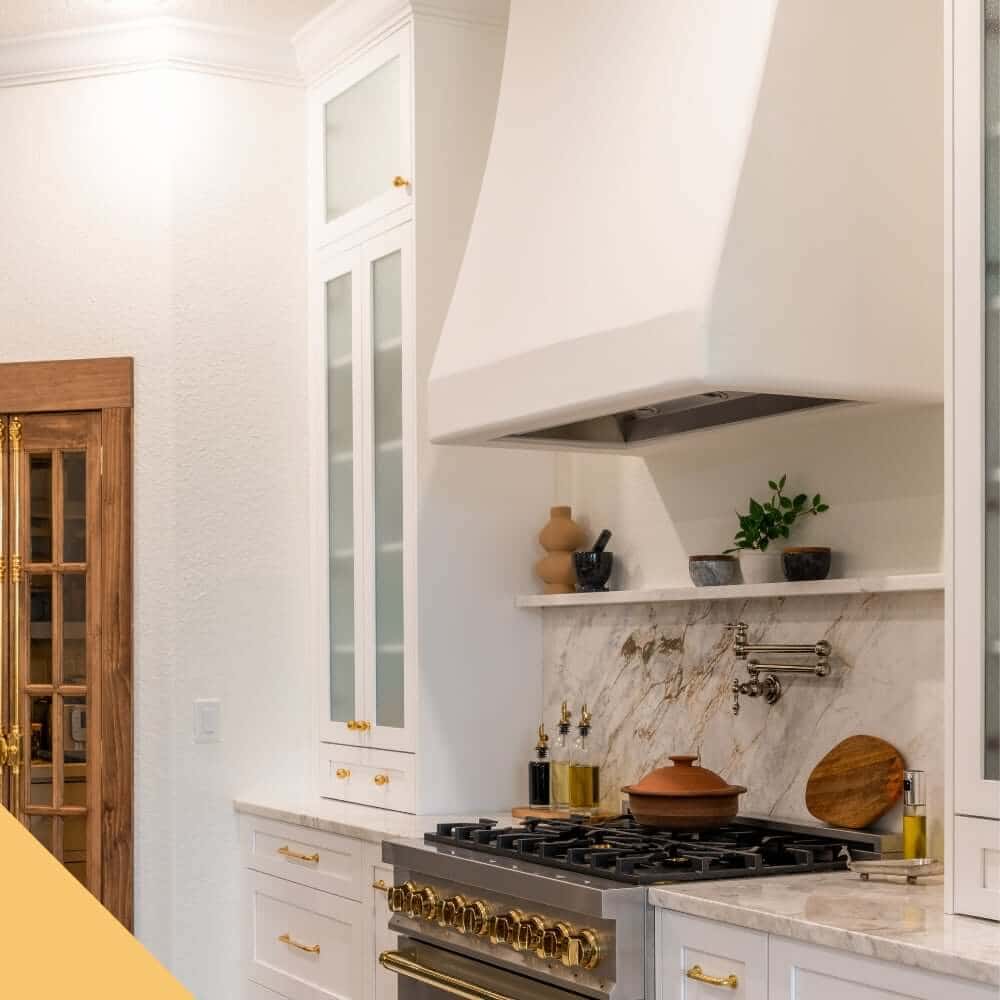
If you have a specific vision or are working with a local painter, look into unfinished wood hood shells, such as these from Hoodsly. These bare enclosures allow you to apply your own custom stain, paint, or plaster, giving you total control over the final look.
Kitchen trends come and go, but wood remains one of the most enduring materials in residential design.
Current kitchen trends favor:
Natural wood tones
Organic modern kitchens
Biophilic design
Mixed-material spaces
Warm, inviting interiors
Wood range hoods fit naturally within these current kitchen trends while offering a timeless look that is less likely to feel dated as design preferences evolve.
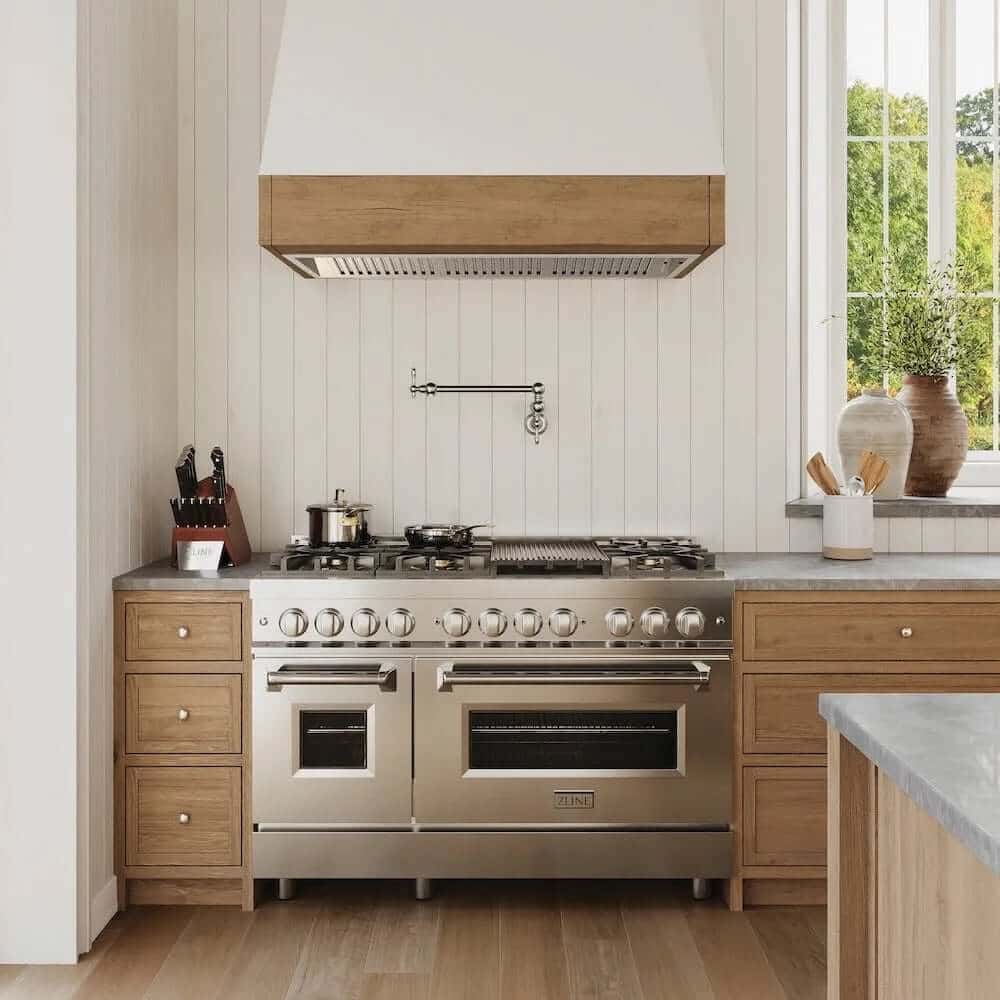
Step 3: Understand Ventilation Requirements
A wood range hood's appearance is important, but ventilation performance is equally critical.
Some wooden range hoods, such as ZLINE Wood Range Hoods, include a blower, but most wood hoods are decorative shells designed to house a range hood insert.
What Is a Range Hood Insert?
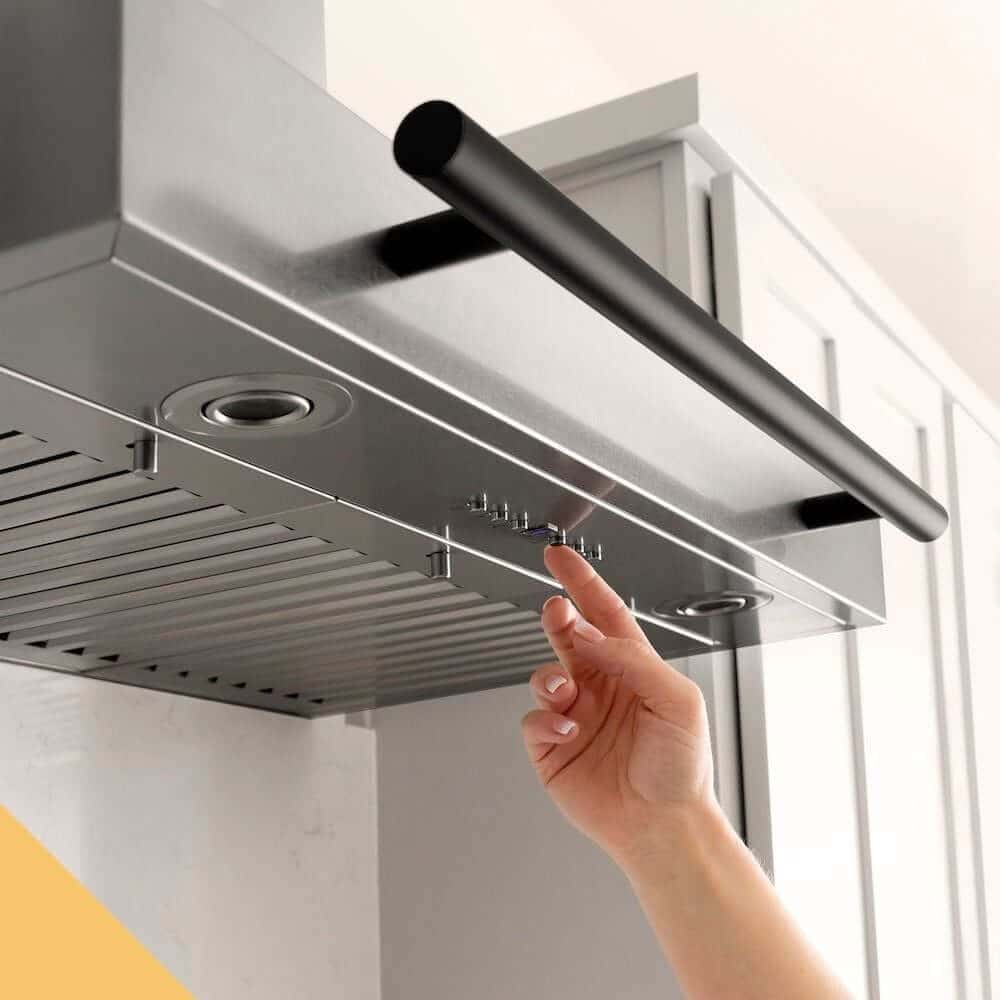
A range hood insert contains the working components of the ventilation system, including:
Blower motor
Fan controls
Lighting
Filters
The insert is installed inside the wood hood for a custom appearance without sacrificing performance.
Determine the Proper CFM
CFM (Cubic Feet per Minute) measures the amount of air a range hood can move. Read our complete guide on choosing the right CFM here.
General CFM recommendations include:
Cooking Style / Kitchen Setup | Recommended CFM |
Electric cooktop with light cooking | 250–400 CFM |
Gas cooktop or moderate cooking | 400–600 CFM |
High-BTU range or frequent heavy cooking | 600–1200+ CFM |
Island hood (open space) | Add 100–200 CFM |
Households that frequently grill, sear, fry, or cook with high-BTU burners such as ZLINE’s DuoPro™ Cooktops should prioritize higher CFM ratings.
Hoodsly Curved Wall Mount Unfinished Wooden Quick Ship Range Hood with Strapping and Size Options
$1,800.00
Hoodsly’s Quick Ship program offers our Curved Range Hoods in raw or white, ready to complement your kitchen with timeless style and quick delivery. Designed to be both elegant and effective, each wood range hood is built with our Proprietary… Read More

Step 4: Consider Maintenance and Durability
Many homeowners worry about wood near cooking surfaces, but properly finished wood range hoods are designed to withstand normal kitchen conditions.
To maximize longevity, follow our simple range hood maintenance guide:
Clean grease buildup regularly
Use appropriate ventilation settings while cooking
Wipe surfaces with non-abrasive cleaners
Follow manufacturer maintenance guidelines
To keep your investment looking pristine, establish a regular maintenance routine. Because wood is porous and sensitive to moisture, cleaning grease from wood hood exteriors requires a gentle approach.
We also recommend avoiding harsh chemical degreasers that can strip the stain or paint. Instead, use a soft microfiber cloth dampened with warm water and a mild dish soap. Gently wipe in the direction of the wood grain, and immediately follow up with a dry cloth to prevent moisture from sitting on the surface.
For the interior, regularly remove and run your stainless steel baffle filters through the dishwasher to prevent grease buildup from becoming a fire hazard.
A high-quality wood range hood can provide decades of performance and visual appeal when properly maintained.
Final Thoughts
By selecting a hood that complements your kitchen style, accommodates your cooking habits, and offers the proper level of ventilation, you can create a beautiful focal point that maintains a cleaner, more comfortable cooking environment.
Take your time, consult with a professional installer if necessary. A well-chosen wood range hood can elevate the entire room while delivering the performance your kitchen needs.
Connect with us on social media!
Facebook: The Range Hood Store
Instagram: @therangehoodstore
YouTube: The Range Hood Store
Pinterest: @TheRangeHoodStore
FAQs
What are the benefits of a wood range hood?
Wood range hoods add warmth, texture, and architectural character to a kitchen while providing effective ventilation. They can be customized with different stains, paints, and trim details to complement farmhouse, rustic, traditional, contemporary, and modern organic kitchen designs.
How do I choose the right size wood range hood?
Your wood range hood should be at least as wide as your cooktop or range. For optimal smoke and grease capture, many designers recommend choosing a hood that is 3 to 6 inches wider than the cooking surface. Most wood range hoods are installed 30 to 36 inches above the cooktop.
Can a wood range hood be installed over a gas range?
Yes. Wood range hoods are commonly installed over gas ranges. The key is ensuring the hood contains an appropriately sized ventilation system or range hood insert with sufficient CFM to handle the heat, smoke, and grease generated during cooking.
What wood species are best for wood range hoods?
Popular wood species include oak, walnut, cherry, pine, and maple. Oak and walnut are valued for their rich grain patterns, while maple is often preferred for painted finishes because of its smooth surface and consistent texture.
Are wood range hoods still in style?
Yes. Wood range hoods remain one of the most popular kitchen design features due to growing interest in biophilic design, organic modern interiors, farmhouse kitchens, and natural materials. Their timeless appearance helps them stay relevant even as trends evolve.
What is a range hood insert?
A range hood insert is the functional ventilation system installed inside a decorative wood hood. It contains the blower motor, fan controls, lighting, and filters responsible for removing smoke, grease, odors, and airborne contaminants from the kitchen.
How much CFM do I need for a wood range hood?
The required CFM depends on your cooking habits and appliance type. Light cooking on an electric cooktop may require 250–400 CFM, while gas ranges often need 400–600 CFM. Professional-style ranges, high-BTU burners, and frequent frying or searing may require 600–1200+ CFM.
Can wood range hoods be painted or stained?
Yes. Most wood range hoods can be painted or stained to match cabinetry, create contrast, or serve as a kitchen focal point. Many homeowners choose natural wood stains to highlight grain patterns, while others opt for painted finishes such as white, black, or custom colors.
How do you clean and maintain a wood range hood?
Use a soft microfiber cloth with warm water and mild dish soap to remove grease and dust. Avoid harsh chemical cleaners or abrasive pads that may damage the finish. Regularly cleaning the hood and dishwasher-safe baffle filters helps maintain both appearance and performance.
Are wood range hoods durable?
High-quality wood range hoods are designed to withstand normal kitchen conditions when properly installed and maintained. Protective finishes help resist moisture, grease, and temperature fluctuations, allowing many wood range hoods to remain beautiful and functional for decades.
What kitchen styles work best with wood range hoods?
Wood range hoods work exceptionally well in farmhouse, rustic, traditional, cottage, modern organic, Scandinavian, and transitional kitchens. Different wood species, finishes, and hood profiles can be selected to match virtually any design aesthetic.
Do wood range hoods increase home value?
A well-designed wood range hood can enhance a kitchen's visual appeal and perceived quality, particularly in custom or luxury remodels. While it may not directly increase home value on its own, it can contribute to a more attractive and desirable kitchen design.
Can I install a wood range hood myself?
Some wood range hoods are designed for DIY installation, especially decorative hood shells that house a separate insert. However, proper mounting, ventilation, ductwork, and electrical connections are critical, so professional installation is often recommended for the best results.
What is the best range hood insert for a wood range hood?
The best range hood inserts fr wood range hoods are made by ZLINE. ZLINE range hood inserts combine strong airflow, durable construction, multiple size options, dishwasher-safe baffle filters, integrated LED lighting, high-performance blower motors, and a recessed design that integrates seamlessly into custom wood range hoods.