Table of Contents
- What Defines a Rustic Range Hood?
- Let Your Range Hood Set the Tone
- Copper Range Hoods: Warmth and Old-World Character
- Wood Range Hoods: Natural Texture and Timeless Appeal
- Farmhouse and Old-World Range Hood Designs
- Choosing the Right Rustic Range Hood for Your Kitchen
- Bringing Your Rustic Kitchen Together
- Find a Rustic Range Hood for Your Kitchen
- FAQs
A kitchen transformation doesn't require a complete renovation. Sometimes, changing one prominent feature is enough to redefine the look and feel of the entire space. A rustic range hood can introduce natural textures, warm finishes, and old-world character while providing the ventilation needed for everyday cooking.
As kitchens continue to serve as gathering places for cooking, entertaining, and daily life, homeowners are looking for ways to make these spaces feel more welcoming and personal. Rustic design answers that need by combining the functionality of a modern kitchen with the charm of traditional craftsmanship.
Because a range hood occupies a prominent position above the cooktop or range, it offers an ideal starting point for a rustic kitchen design. Whether you prefer the rich tones of hand-hammered copper, the organic appeal of natural wood, or the timeless character of a farmhouse-inspired design, the right range hood can establish the aesthetic for the rest of the room.
Explore Decorative Range Hoods
What Defines a Rustic Range Hood?
Rustic range hoods draw inspiration from traditional European, Mediterranean, and farmhouse kitchens. Rather than relying exclusively on sleek surfaces and minimalist styling, rustic designs celebrate natural materials, visible texture, and finishes that feel warm and lived-in.
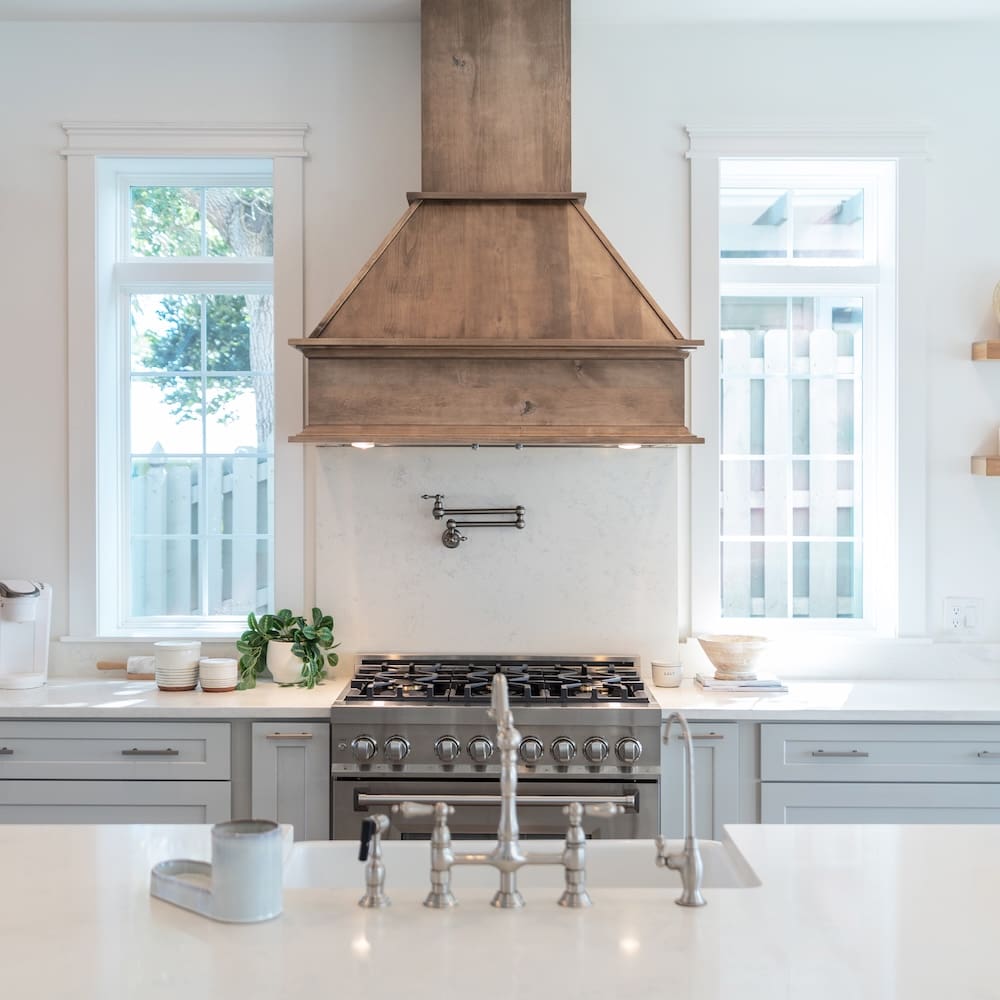
Several design elements commonly define the rustic aesthetic:
- Natural materials: Wood, copper, and other textured finishes introduce organic variation and visual depth.
- Warm, earthy colors: Browns, bronze tones, muted greens, creams, and other natural hues create a comfortable atmosphere.
- Handcrafted details: Hammered surfaces, decorative trim, and traditional silhouettes give a range hood a distinctive appearance.
- Timeless proportions: Arched profiles, tapered designs, and traditional wall-mounted shapes complement classic cabinetry and architectural details.
- Modern functionality: Contemporary ventilation systems, lighting, and filtration allow rustic range hoods to perform like other modern kitchen appliances.
The goal is to balance character with practicality. A rustic kitchen can incorporate modern appliances, durable countertops, and contemporary conveniences without losing its traditional charm.
Texture is especially important when designing this type of space. Natural wood cabinetry, stone backsplashes, brick accents, and copper fixtures can work together to create a layered look. To keep the room from feeling visually crowded, balance these details with neutral surfaces and simple finishes.
A rustic range hood can help tie these elements together, giving the kitchen a focal point around which the rest of the design can develop.
Let Your Range Hood Set the Tone
A range hood is more than a ventilation appliance. Its size, placement, and finish make it one of the most visually prominent features in many kitchens.
Choosing a range hood early in the design process can help establish a consistent direction for cabinetry, countertops, hardware, and lighting. Instead of treating the hood as an afterthought, consider how its materials and shape will interact with the other elements in the room.
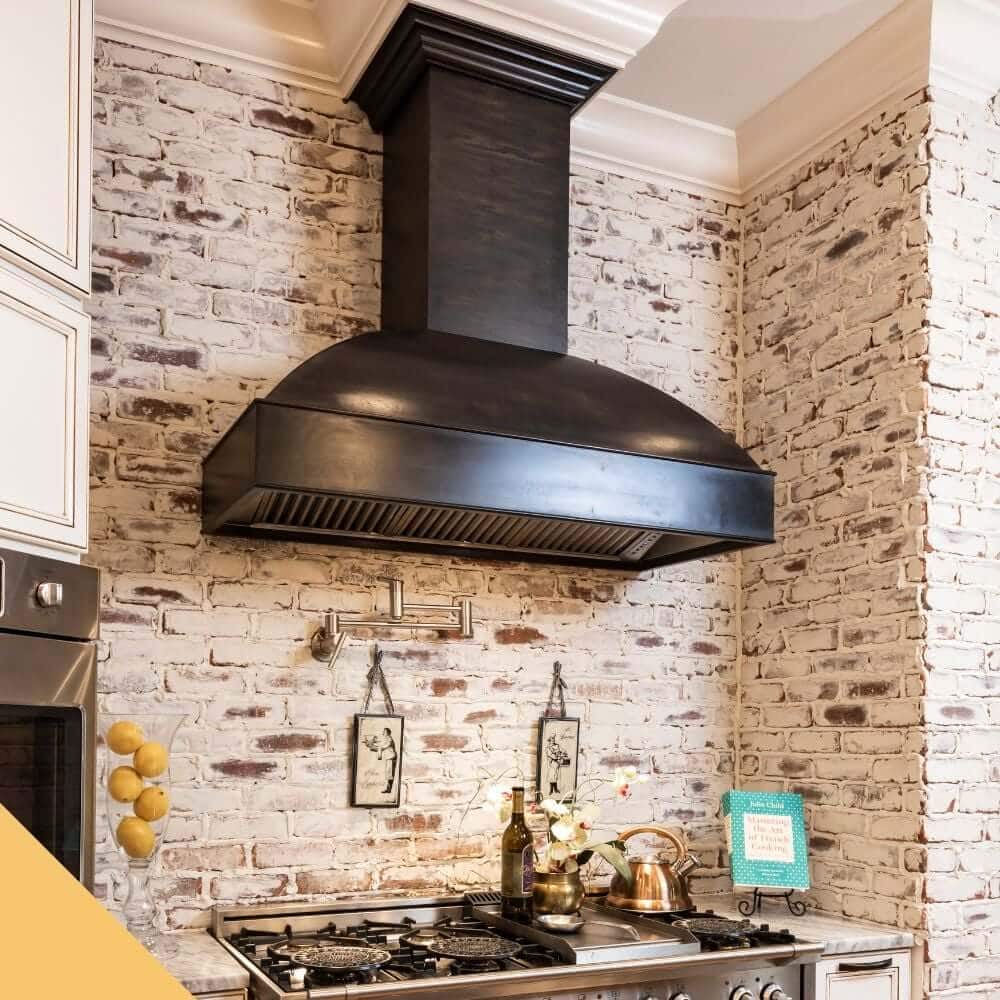
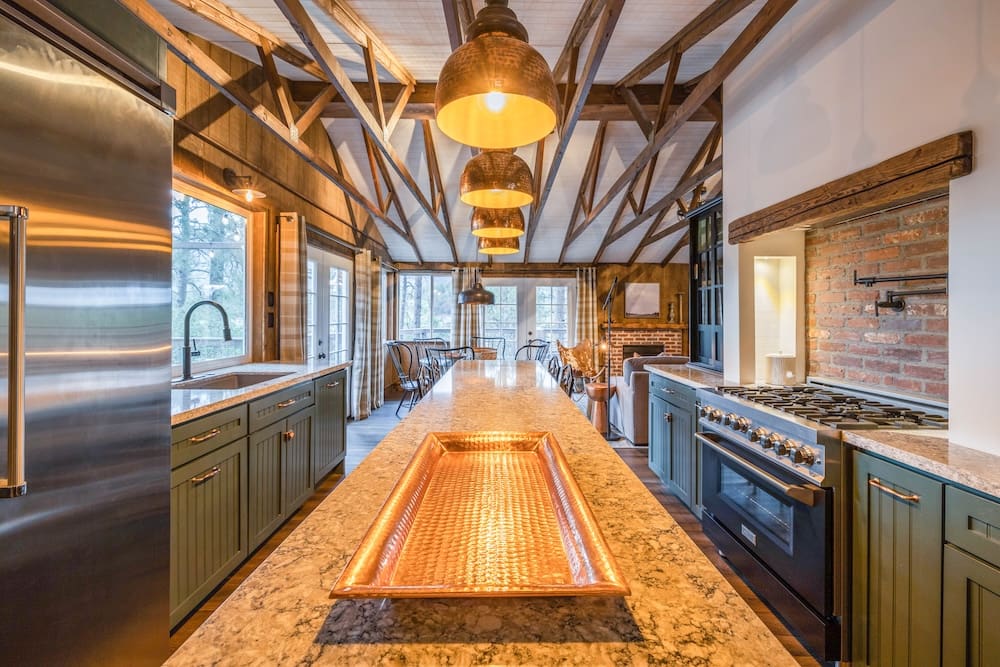
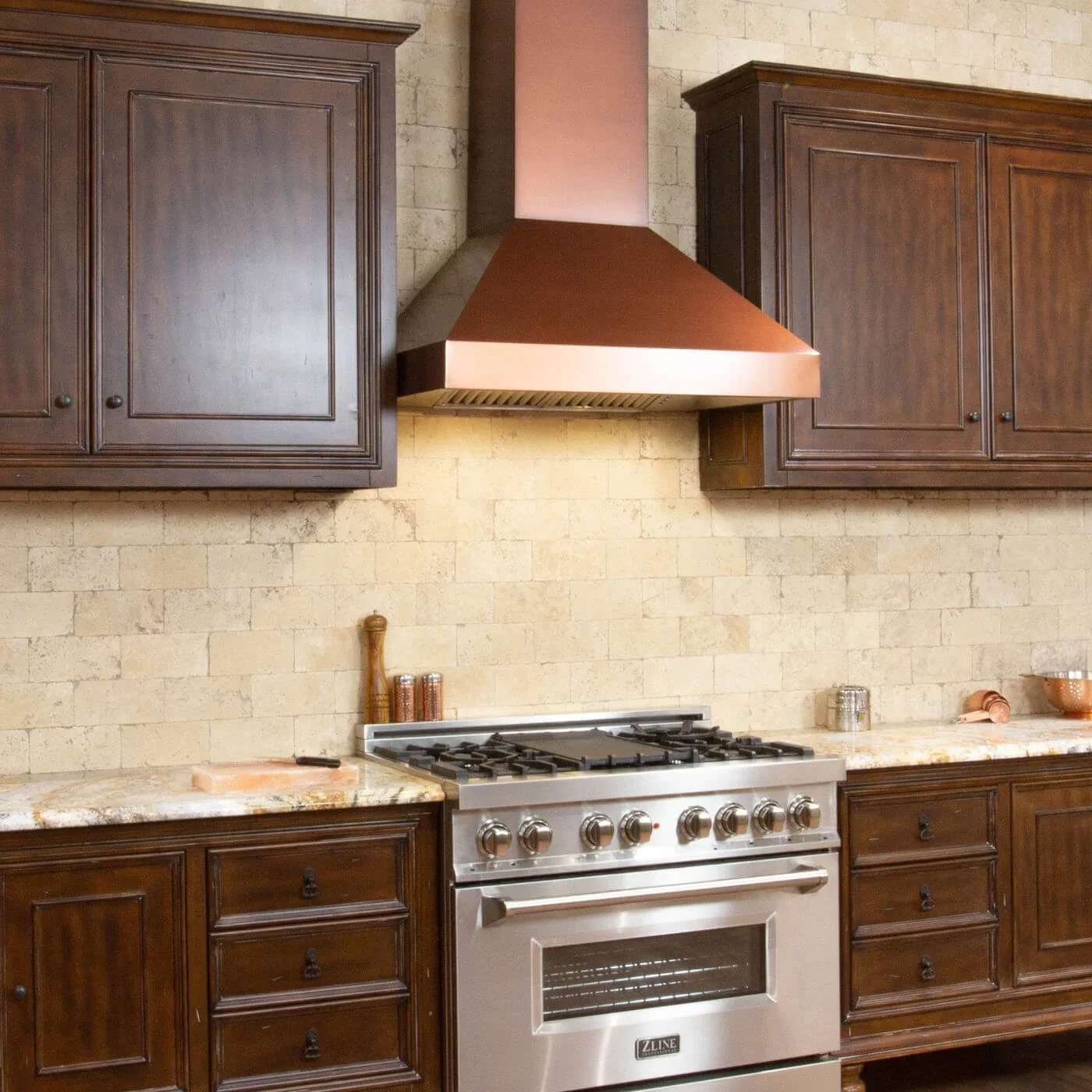
For example, a hammered copper range hood can introduce warmth into a kitchen with natural wood cabinets and stone surfaces. A wooden range hood can soften a space dominated by tile, stone, or stainless steel. A decorative European-style hood can complement traditional cabinetry and architectural details.
When selecting a rustic range hood, consider both its appearance and its ventilation capabilities. The right model should complement your kitchen while providing appropriate airflow, filtration, and lighting for your cooking setup.
Copper Range Hoods: Warmth and Old-World Character
Copper range hoods are a natural fit for rustic kitchen design. Their reddish-brown tones, textured surfaces, and distinctive finishes introduce warmth that contrasts beautifully with stone, wood, and neutral cabinetry.
Unlike uniformly finished metals, copper can feature subtle variations in color and texture that give the material depth. Hammered details, aged finishes, and decorative designs can reinforce a traditional aesthetic without making the kitchen feel dated.
Copper is also versatile. A simple copper hood can complement a transitional kitchen, while an ornate design with decorative trim can create a more traditional European or farmhouse-inspired look.
How to Style a Copper Range Hood
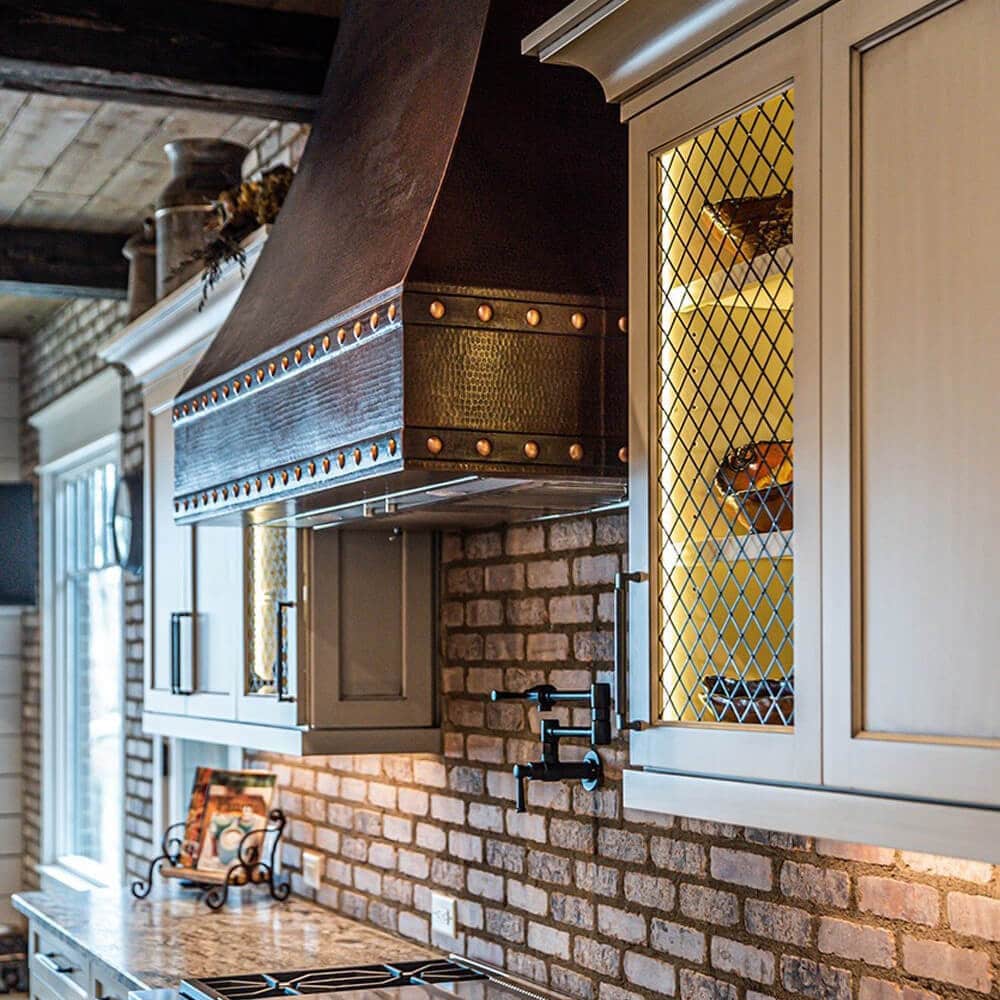
Copper works particularly well with walnut or oak cabinetry, natural stone backsplashes, cream-colored cabinets, and earthy wall colors. You can also coordinate the hood with copper sinks, bronze hardware, or warm-toned lighting for a more cohesive design.
For a balanced appearance, allow the range hood to serve as the primary metallic accent rather than introducing too many competing finishes. A textured copper hood can provide plenty of visual interest on its own.
When comparing copper range hoods, pay attention to the finish, overall shape, dimensions, and ventilation insert. These details influence both the appearance of the finished installation and its suitability for your kitchen.
Explore copper range hoods to find designs ranging from understated hammered finishes to more elaborate statement pieces.
Wood Range Hoods: Natural Texture and Timeless Appeal
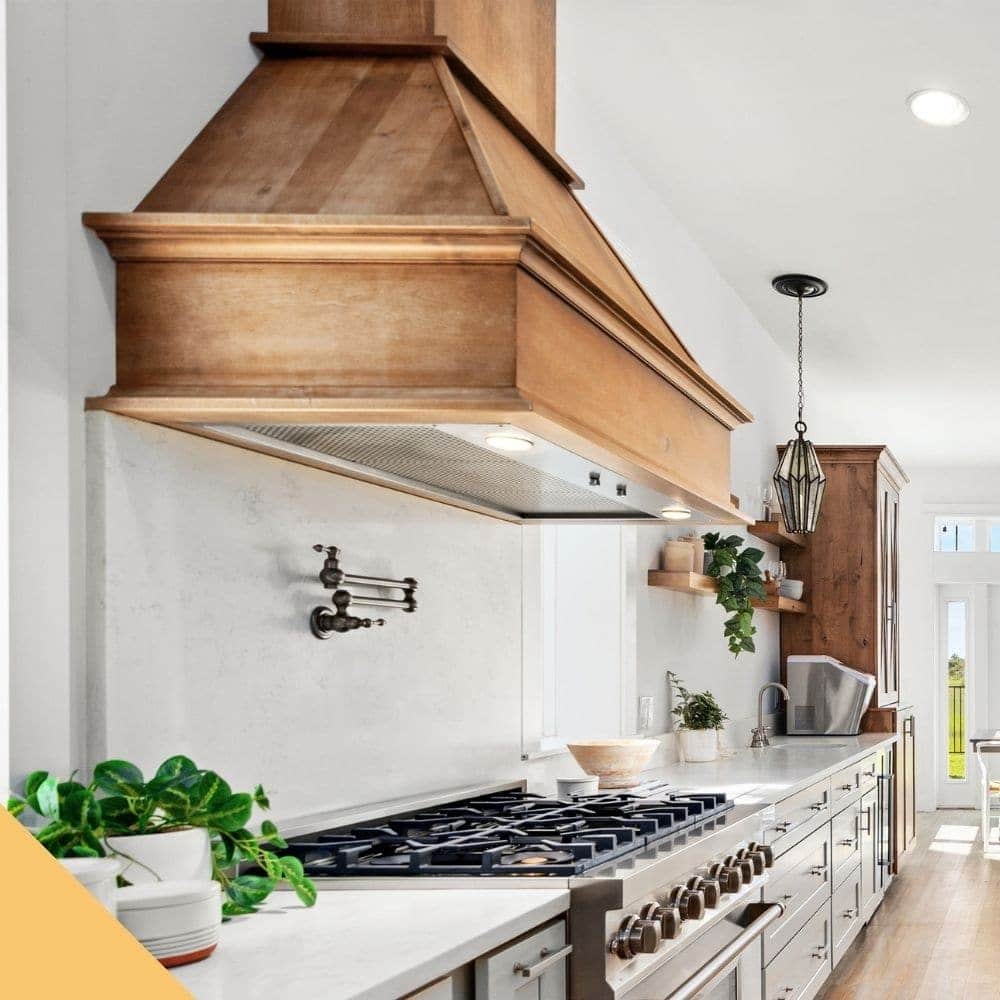
Wood range hoods bring a different kind of warmth to rustic kitchens. Their natural grain, rich colors, and traditional profiles create a connection to the surrounding cabinetry and architectural details.
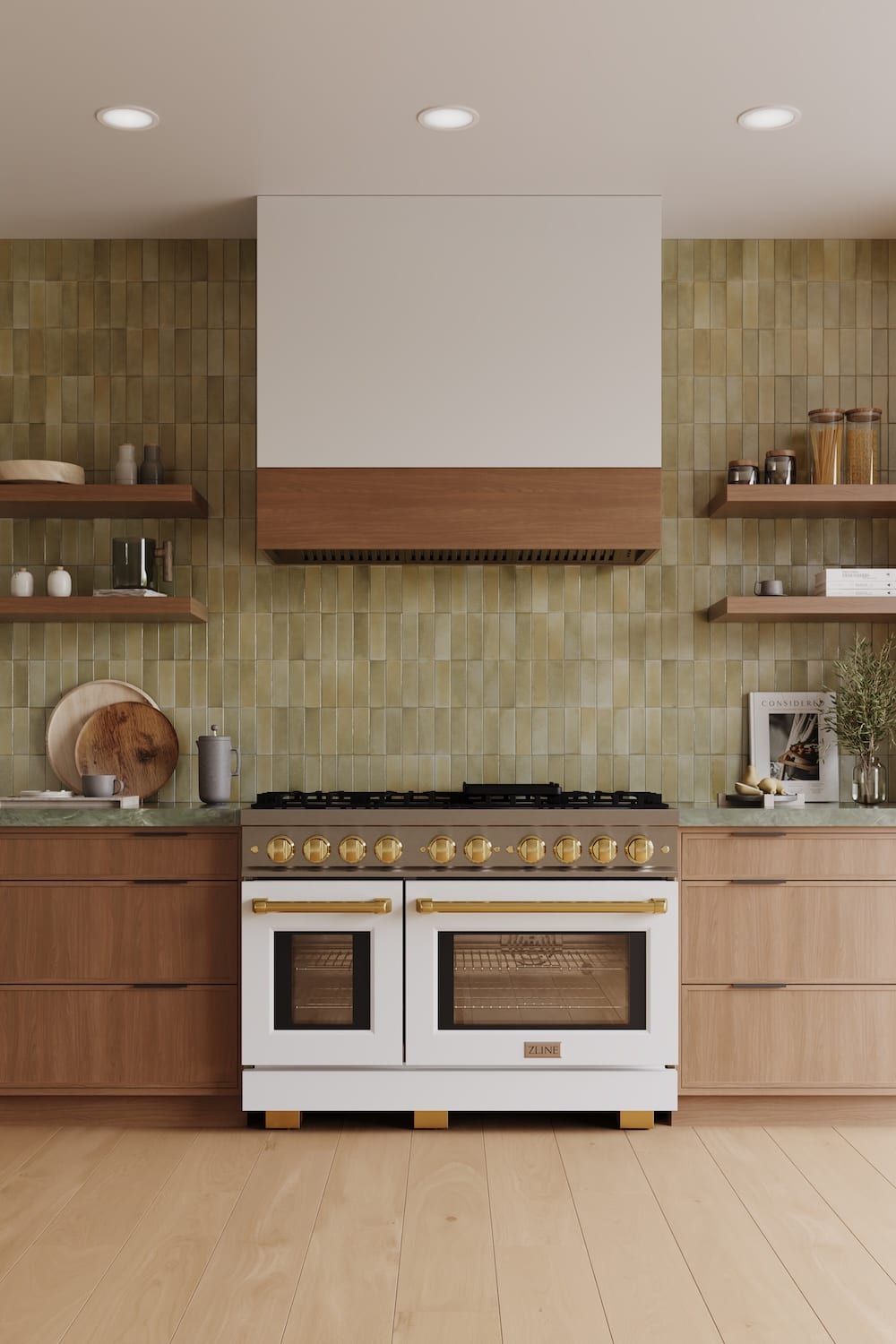
A wood range hood can be particularly effective in kitchens with painted cabinets, natural stone countertops, exposed beams, or farmhouse-inspired fixtures. It introduces texture without relying on the reflective surfaces associated with metal appliances.
Wood also offers flexibility in styling. A walnut finish can create a rich, traditional appearance, while lighter wood tones can complement a more relaxed farmhouse or transitional kitchen. Decorative molding and tapered profiles can further reinforce the desired aesthetic.
How to Style a Wood Range Hood
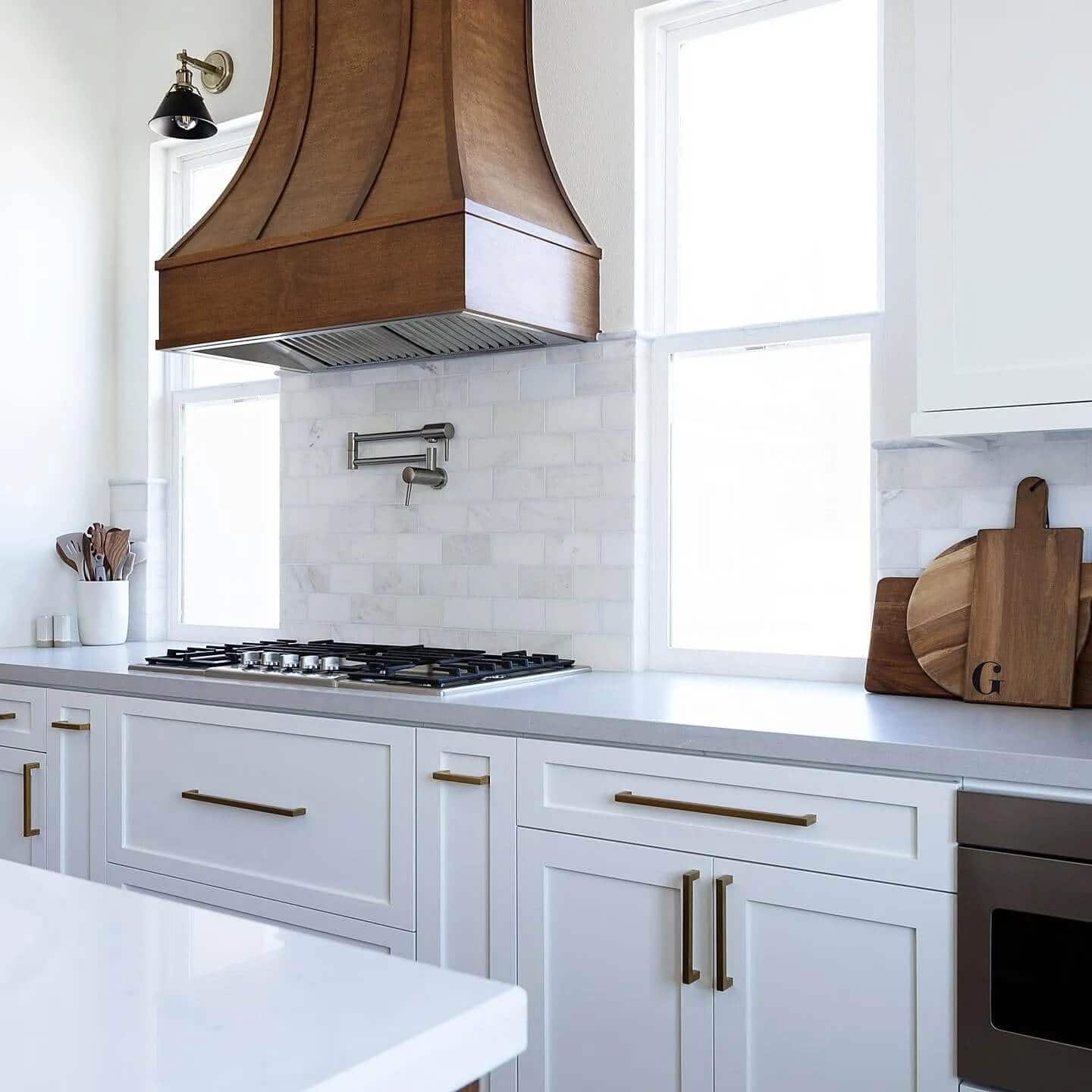
For a coordinated look, consider matching the hood to your cabinetry or selecting a complementary wood tone that provides contrast. A wood hood against painted cabinets can create a strong focal point, while a finish that echoes nearby cabinets can make the kitchen feel more cohesive.
You can also balance the warmth of wood with stainless steel appliances, stone backsplashes, and simple hardware. These contrasting materials help prevent the design from feeling overly uniform.
When shopping for a wood range hood, consider the exterior finish, construction, available sizes, and the ventilation system it accommodates. Many decorative wood hoods incorporate an internal metal structure or accommodate a separate range hood insert, combining a traditional exterior with modern ventilation.
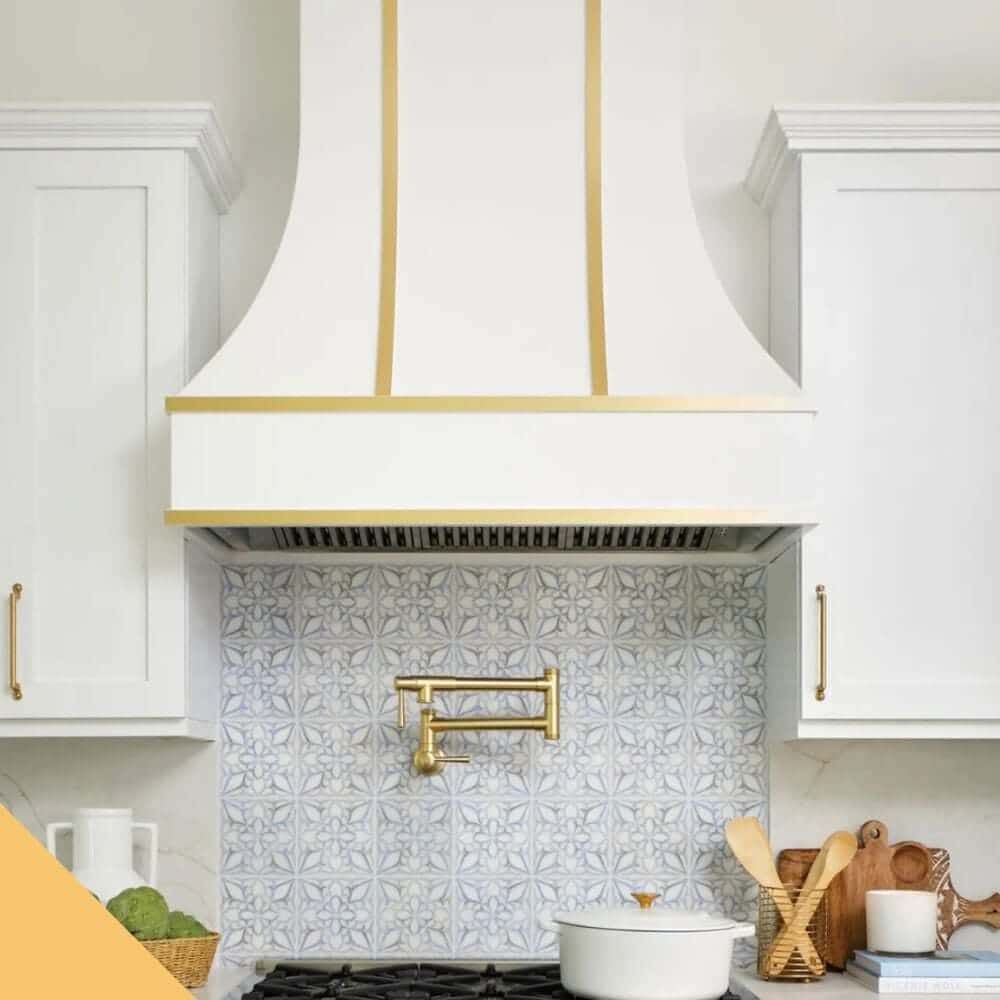
Explore wood range hoods to find a style that complements your cabinetry and brings natural character to your kitchen.
ZLINE Wooden Wall Mount Range Hood in Rustic Bright White Finish with Size Options (355WW)
$1,232.49
$1,449.99
Luxury isn’t meant to be desired - it’s meant to be attainable. The ZLINE Wooden Wall Mount Range Hood in Rustic Bright White Finish (355WW) provides a professional culinary experience by pairing built-to-last quality with a timeless style. Achieve ZLINE… Read More

Farmhouse and Old-World Range Hood Designs
Rustic and farmhouse range hoods share many design principles, including natural materials, warm colors, and an emphasis on character. However, they can create distinctly different looks depending on their shape, finish, and decorative details.
Farmhouse-inspired kitchens often favor simple silhouettes, understated trim, and natural or painted wood finishes. These designs work well with shaker cabinets, apron-front sinks, open shelving, and other familiar farmhouse elements.
Old-world European and Mediterranean kitchens may feature more elaborate details, including hammered copper, curved profiles, decorative borders, and aged metallic finishes. These range hoods often pair well with natural stone, traditional cabinetry, and richly textured surfaces.
Neither style requires a strictly traditional kitchen. A rustic range hood can also create an appealing contrast in a transitional space that combines contemporary appliances with classic materials.
When deciding between these styles, consider the overall atmosphere you want to create. A streamlined wood hood can provide subtle warmth, while an ornate copper design can become the defining feature of the room.
Choosing the Right Rustic Range Hood for Your Kitchen
Appearance is an important consideration, but the best range hood must also fit your cooking area and ventilation requirements.
Before choosing a model, evaluate the following factors.
1. Range Hood Width
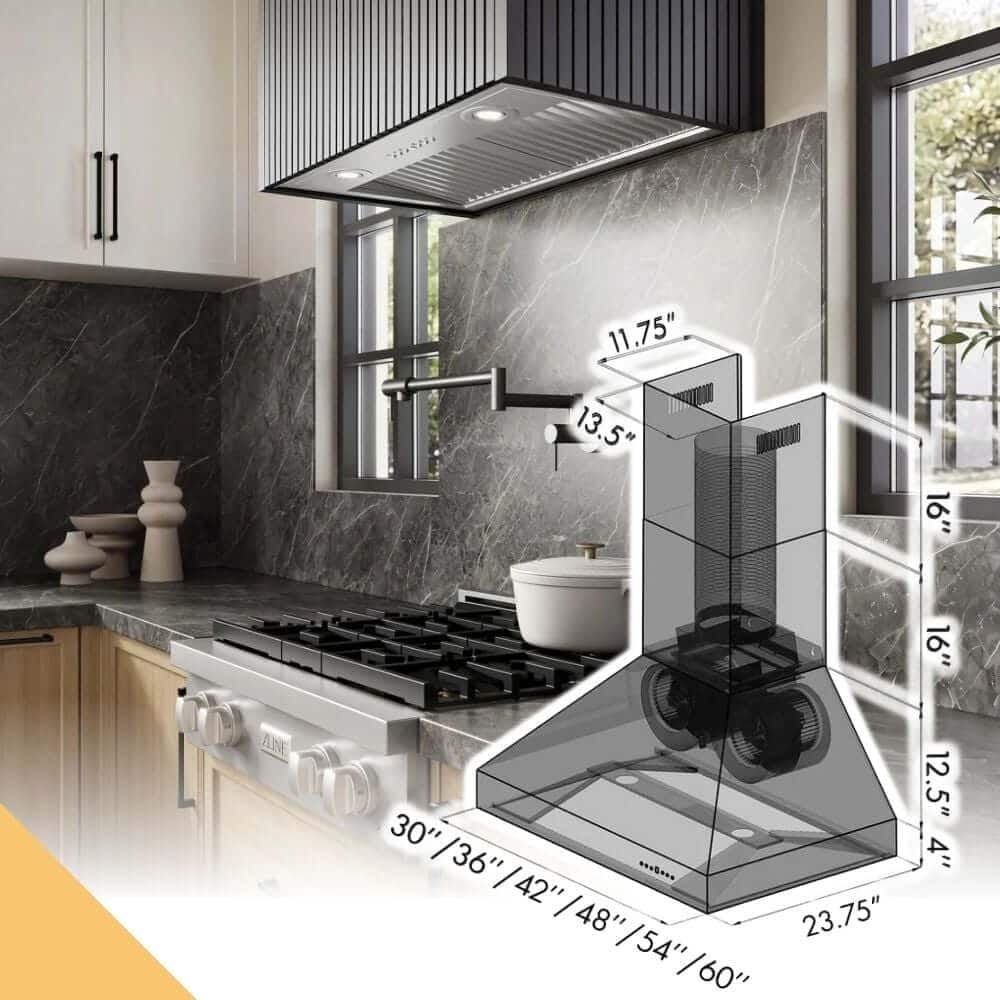
A range hood should generally be at least as wide as the cooking surface it serves. A wider hood may provide better capture of smoke, steam, and cooking odors, depending on the installation and hood design.
Measure your range or cooktop before shopping, and verify the manufacturer's recommendations for hood width and installation clearances.
For more information, read our range hood size guide.
2. Ventilation and CFM
Airflow is commonly measured in cubic feet per minute (CFM). The amount of ventilation you need depends on factors such as your cooking equipment, cooking habits, hood design, and duct configuration.
High-output gas ranges and frequent high-heat cooking may require more airflow than lighter-duty cooking setups. However, higher CFM does not automatically mean better performance. Hood geometry, installation height, duct size, duct length, and make-up air requirements can all affect the finished system.
Review the range hood's specifications and local code requirements to determine which model is appropriate for your kitchen.
For more information, read our range hood CFM guide.
3. Ducted vs. Ductless Ventilation
A ducted range hood exhausts air outside the home through ductwork. When properly designed and installed, this setup removes cooking byproducts from the kitchen rather than returning filtered air to the room.
A ductless or recirculating range hood filters air and returns it to the kitchen. This can be useful when exterior ducting is impractical, although recirculating systems do not remove moisture and combustion byproducts from the home in the same way as a properly installed ducted system.
Some range hoods offer convertible configurations that support either installation method, subject to the model's specifications. Confirm compatibility before purchasing.
4. Installation Style
Wall-mounted range hoods are a popular choice for rustic kitchens because they create a prominent focal point above a range positioned against a wall.
Island range hoods serve cooking surfaces located in the center of the kitchen and are visible from multiple directions. Decorative materials and finishes can be particularly impactful in these installations.
Insert range hoods offer another option. The ventilation unit is installed inside a custom hood enclosure, allowing homeowners to create a rustic exterior using wood or other architectural materials while selecting a suitable ventilation system separately.
The best installation style depends on your kitchen layout, cabinetry, ductwork, and the design you want to achieve.
5. Lighting, Filters, and Maintenance
A range hood should be easy to use and maintain as well as attractive. Look for practical features such as integrated lighting, accessible controls, and removable filters.
Many metal range hoods use stainless steel baffle filters or other removable filters designed to capture grease. Follow the manufacturer's cleaning instructions to maintain ventilation performance.
For decorative wood or copper hoods, review the recommended care instructions for the exterior finish. Appropriate cleaning methods can help preserve the appearance of these materials over time.
Bringing Your Rustic Kitchen Together
Once you have selected a range hood, use its materials, finish, and shape to guide the surrounding design.
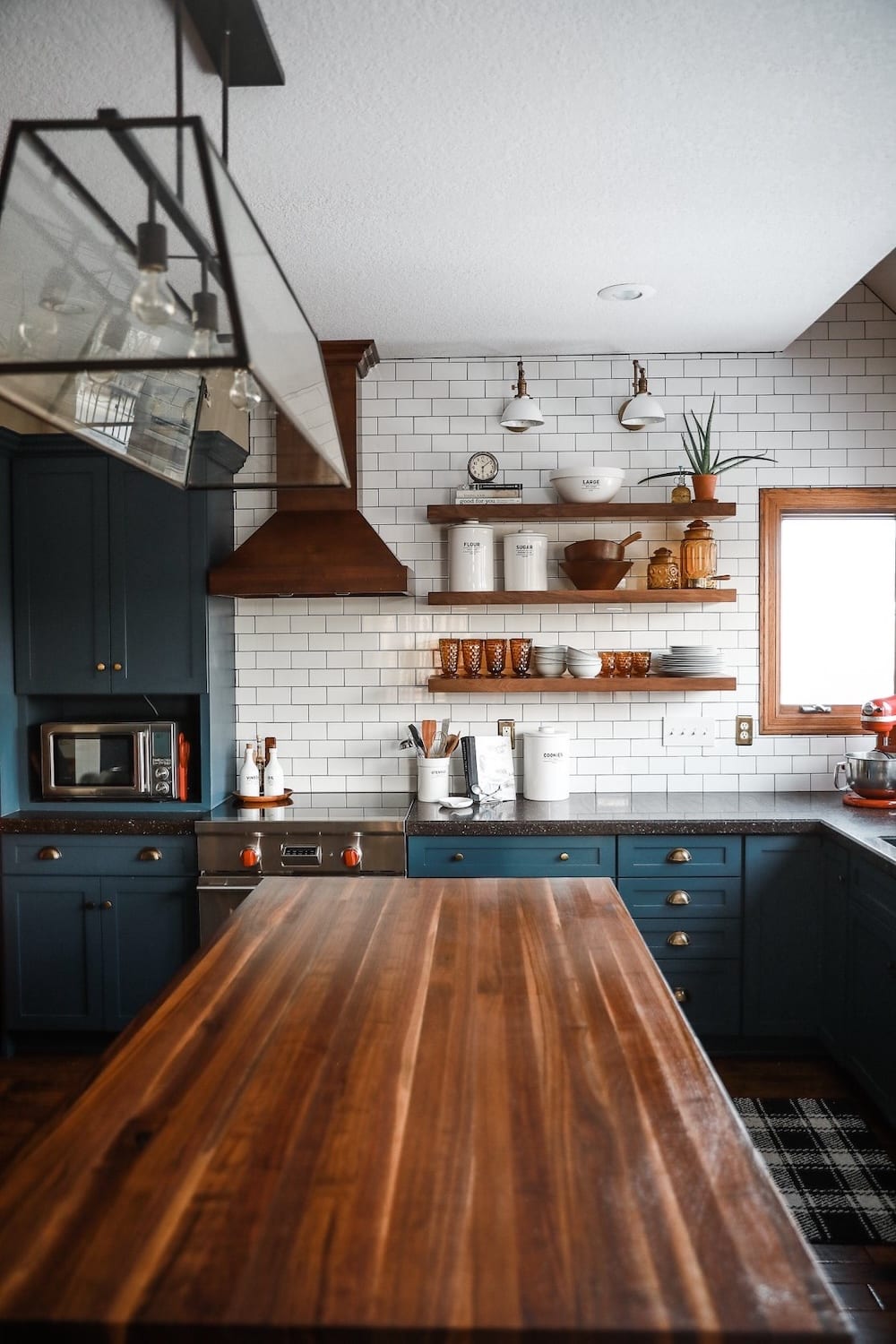
For a warm, traditional kitchen, pair a copper range hood with natural wood cabinetry, stone surfaces, and complementary metallic accents. For a farmhouse look, combine a wood hood with shaker cabinets, neutral colors, and simple fixtures. For a more elaborate old-world aesthetic, consider textured finishes, decorative details, and a restrained palette of earthy colors.
Balance is essential. If your range hood has an intricate design or a highly textured finish, simpler cabinetry and backsplashes can help it stand out. If the hood has a clean, understated profile, you can introduce additional character through lighting, hardware, and natural materials.
You do not need to replace every appliance or surface to achieve a cohesive look. Starting with a distinctive range hood can provide a clear design direction for smaller updates over time.
Find a Rustic Range Hood for Your Kitchen
A rustic range hood can do more than complete your kitchen's ventilation setup. It can introduce natural texture, establish a focal point, and bring warmth and character to the entire room.
Whether you prefer the distinctive appearance of hammered copper, the organic beauty of wood, or the classic lines of farmhouse design, the right range hood can help you create a kitchen that feels both functional and inviting.
Explore the decorative range hood options available at The Range Hood Store to find a design that complements your kitchen, suits your cooking needs, and reflects your personal style.
Explore Decorative Range Hoods
Connect with us on social media!
Facebook: The Range Hood Store
Instagram: @therangehoodstore
YouTube: The Range Hood Store
Pinterest: @TheRangeHoodStore
FAQs
What is a rustic range hood?
A rustic range hood is a kitchen ventilation appliance designed to complement traditional, farmhouse, or old-world kitchen styles. These range hoods often feature natural wood, hammered copper, aged metallic finishes, decorative trim, or other textured details that add warmth and character while helping remove smoke, grease, steam, and cooking odors.
What materials are best for rustic range hoods?
Wood and copper are popular materials for rustic range hoods because they introduce natural texture and warmth. Wood range hoods complement farmhouse and traditional kitchens, while copper range hoods offer distinctive color variations and handcrafted details. Stainless steel range hoods with decorative or traditional designs can also work well in rustic kitchens.
Are rustic range hoods as functional as modern range hoods?
Yes. Rustic range hoods can incorporate modern ventilation systems, multiple fan speeds, integrated lighting, and removable grease filters. Performance depends on the ventilation unit, airflow capacity, hood design, and installation rather than the rustic appearance of the exterior.
Are copper range hoods a good choice for farmhouse kitchens?
Copper range hoods can be an excellent choice for farmhouse kitchens. Their warm tones and textured finishes pair well with natural wood cabinets, neutral paint colors, stone backsplashes, and traditional fixtures. A simple hammered copper design creates a subtle focal point, while a decorative copper hood adds a more elaborate old-world aesthetic.
Do wood range hoods require a separate ventilation insert?
Many decorative wood range hoods require a separate ventilation insert, although some models include an integrated ventilation system. An insert houses the fan, filters, lighting, and controls within the decorative hood enclosure. Always check the product specifications to determine whether an insert or liner is included and which models are compatible.
How do I choose the right size rustic range hood?
Choose a range hood that is at least as wide as your cooking surface, and consider a wider model when appropriate for your layout and cooking habits. You should also evaluate the hood's mounting height, airflow requirements, duct configuration, and manufacturer installation guidelines. Proper sizing helps the hood capture smoke, grease, and cooking odors more effectively.
How much CFM do I need for a rustic range hood?
The appropriate cubic feet per minute (CFM) rating depends on your range or cooktop, cooking style, hood design, and ventilation configuration. High-output gas ranges and frequent high-heat cooking may require greater airflow. However, higher CFM alone does not guarantee better performance. Proper hood dimensions, ductwork, installation, and make-up air requirements also matter.
Can I install a rustic range hood without ductwork?
Some rustic range hoods can be configured for ductless or recirculating operation if the model supports it. These systems typically use filters to capture grease and reduce odors before returning air to the kitchen. However, they do not exhaust moisture and combustion byproducts outdoors like a properly installed ducted system. Verify the manufacturer's specifications before selecting a ductless configuration.
What is the difference between a rustic range hood and a farmhouse range hood?
Rustic range hoods generally emphasize natural materials, textured finishes, and traditional craftsmanship. Farmhouse range hoods often share these characteristics but may feature simpler silhouettes, understated trim, and painted or natural wood finishes. The styles overlap, and either can complement traditional, transitional, or modern kitchens.
Can a rustic range hood work in a modern kitchen?
Yes. A rustic range hood can create an attractive contrast in a modern kitchen by introducing warmth and texture alongside streamlined cabinetry, contemporary appliances, and minimalist finishes. A wood hood can soften a space with clean lines, while a copper hood can serve as a statement piece against neutral surfaces.