Table of Contents
Picking the right range hood mount type is an important part of building or renovating your kitchen. You’ll want to find the best finish and style to match the decor and theme of your home, but what type of mount should you use? Finding the most suitable mount installation is an essential part of picking a hood and can be daunting, as there are multiple options to choose from. Here are some of the most common mounting styles, as well as some of our favorites in each.
What are the Different Types of Range Hood Mounts?
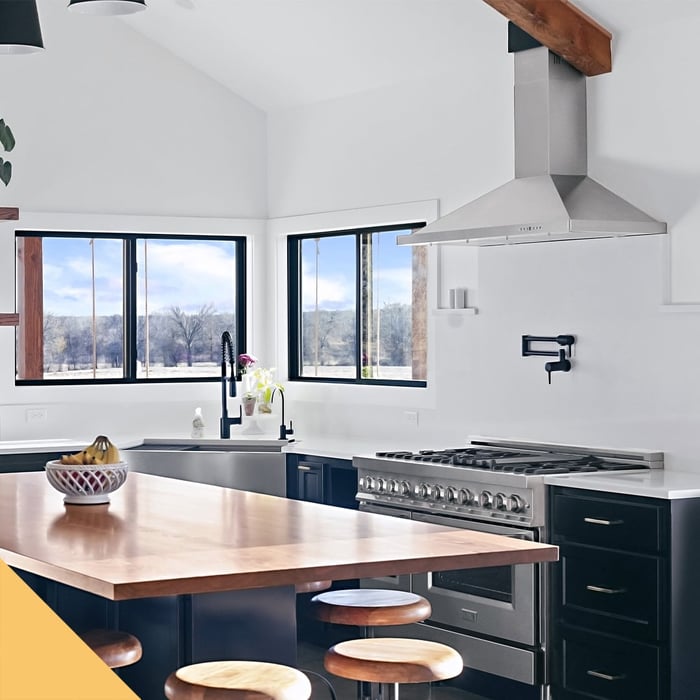
Wall Mounted Range Hoods:
Wall mounted range hoods are one of the most common mount types. Just as its name suggests, the range hood is mounted directly to the wall above the range to capture fumes from cooking. Wall mount range hoods come in a variety of different finishes, so it’s easy to find the perfect match, no matter what style your kitchen is.
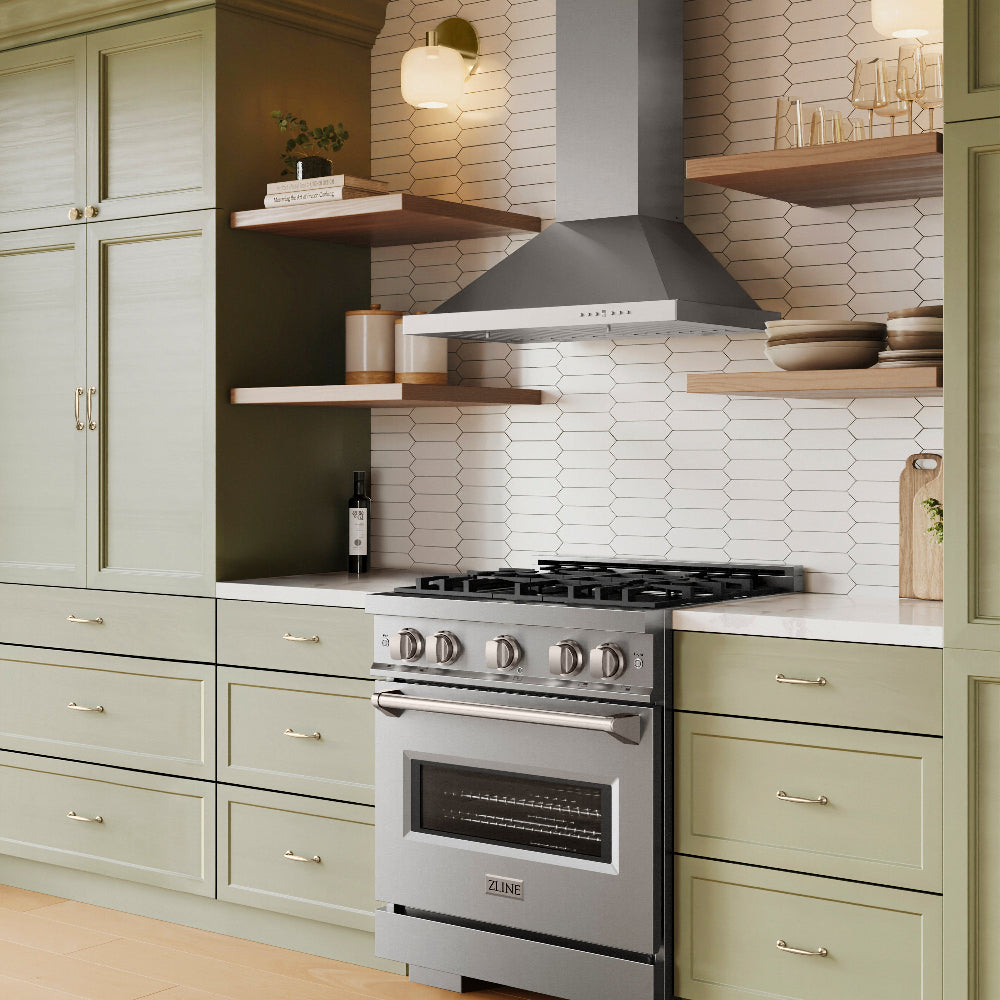
Pros of Wall Mount Range Hoods
- Strong ventilation performance that effectively removes smoke, grease, odors, and heat, especially for gas ranges or frequent cooking.
- Wide CFM options available, making them suitable for high-BTU ranges and professional-style kitchens.
- Design-forward appearance that creates a focal point and complements modern, transitional, and professional kitchen styles.
- More installation flexibility than under-cabinet hoods when cabinetry is limited or intentionally omitted.
- Easier filter access and cleaning due to exposed design and open structure.
Cons of Wall Mount Range Hoods
- Requires open wall space above the cooktop, which can reduce upper cabinet storage.
- More complex installation compared to under-cabinet or microwave hoods, often requiring professional venting.
- Higher upfront cost for both the hood and installation, especially with exterior ducting.
- Visually dominant presence that may feel oversized in small kitchens.
Not ideal for kitchens where minimal visual impact or concealed appliances are preferred.
ZLINE Convertible Vent Wall Mount Range Hood in Stainless Steel (KB)

$323.99
$359.99
The ZLINE Convertible Vent Wall Mount Range Hood in Stainless Steel (KB) provides a professional culinary experience by pairing built-to-last quality with a timeless style. Achieve ZLINE Attainable Luxury® excellence with unrivaled performance that enhances your kitchen’s capabilities. This product… Read More
Best Use Cases of Wall Mount Range Hoods
Wall mount range hoods work best in kitchens with ranges placed against a wall, higher cooking output, and a design goal that allows the hood to act as a visual centerpiece while delivering strong ventilation performance.
Explore Wall Mount Range Hoods
Under Cabinet Range Hoods:
Under cabinet range hoods are one of the best range hood mount types for those who want to seamlessly integrate their cabinetry and appliances together. These range hoods are similar to wall-mounted hoods, except there is no chimney, making them recirculating.
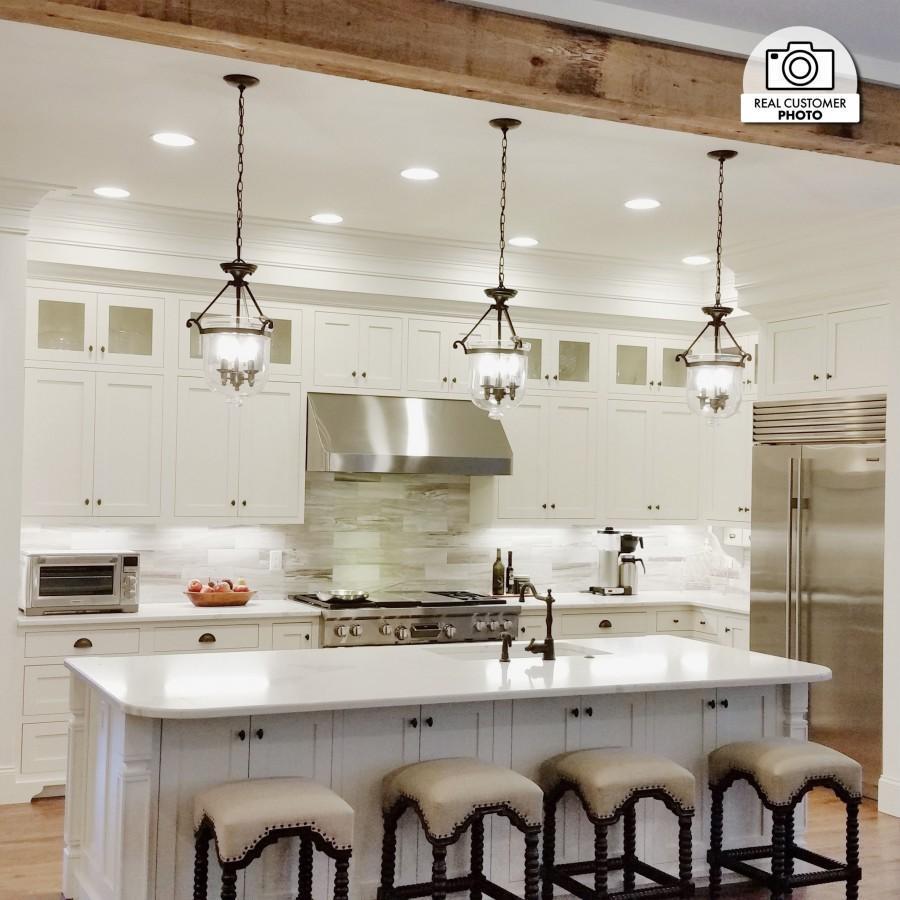
Pros of Under Cabinet Range Hoods
- Space-efficient design that preserves upper cabinet storage and works well in smaller kitchens.
- Clean, built-in appearance that blends seamlessly into traditional and transitional kitchen designs.
- Typically, more affordable than wall mount or island range hoods.
- Easier installation when replacing an existing hood or microwave hood combination.
- Available in ducted and ductless configurations for flexible installation options.
Cons of Under Cabinet Range Hoods
- Less effective for high-BTU gas ranges or heavy cooking styles.
- Cabinet depth and size can limit hood width and capture area.
- Filters and controls may be harder to access depending on cabinet height.
- Reduced visual impact for kitchens seeking a bold or statement design.
ZLINE 600 CFM Ducted Under Cabinet Range Hood in Black Stainless Steel with Size Options (BS623)

$872.99
$969.99
Luxury isn’t meant to be desired - it’s meant to be attainable. The ZLINE 600 CFM Ducted Under Cabinet Range Hood in Black Stainless Steel (BS623) provides a professional culinary experience by pairing built-to-last quality with a timeless style. Achieve… Read More
Best Use Cases of Under Cabinet Range Hoods
Under cabinet range hoods are ideal for kitchens with limited space, standard cooking needs, and a preference for a subtle, integrated ventilation solution that maintains cabinet continuity and budget efficiency.
Explore Under Cabinet Range Hoods
Range Hood Inserts:
If you want to customize every aspect of your kitchen, including making the range hood one-of-a-kind, then a range hood insert is an easy solution. An insert allows you to have your own custom-made hood built, and then add your insert to make it functional. If you’re interested in creating your own cover range hood, check out our blog, where we walk you through building your own DIY range hood cover here.
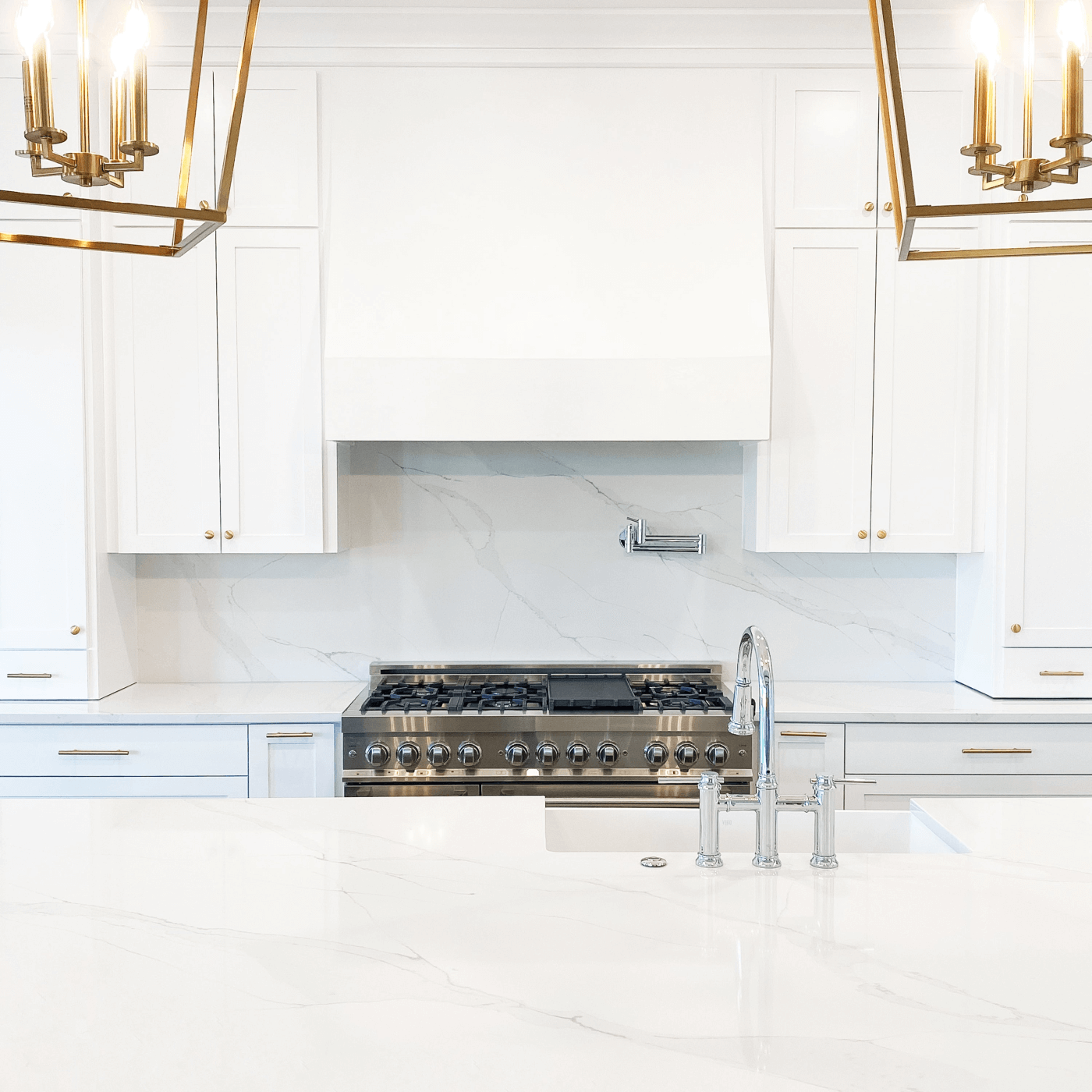
Pros of Range Hood Inserts
- Fully concealed design that supports custom cabinetry and decorative wood hoods.
- Clean, seamless appearance that integrates with traditional, transitional, and custom kitchen designs.
- Flexible styling options since the visible exterior is fully customizable.
- Available in a wide range of CFM ratings to support light to heavy cooking.
Ideal for matching cabinetry finishes, colors, and architectural details.
Cons of Range Hood Inserts
- Requires custom cabinetry or a hood enclosure, increasing overall project cost.
- More complex installation that often requires precise measurements and professional setup.
- Performance depends heavily on proper hood depth, enclosure size, and ducting design.
- Maintenance access can be slightly more limited compared to exposed hood styles.
- Not a standalone solution, as it cannot be installed without a surrounding structure.
Best Use Cases of Wall Mount Range Hoods
Range hood inserts are best for custom kitchens where visual continuity, cabinetry integration, and design flexibility are prioritized alongside effective ventilation performance.
Island Range Hoods:
Some kitchens feature a layout where the range or range top is placed in the center of a kitchen island. In cases like this, an island range hood is the best range hood mount type. Since the range hood isn’t located near any walls, this hood is mounted directly into the ceiling and is sure to be one of the most eye-catching pieces in your kitchen.
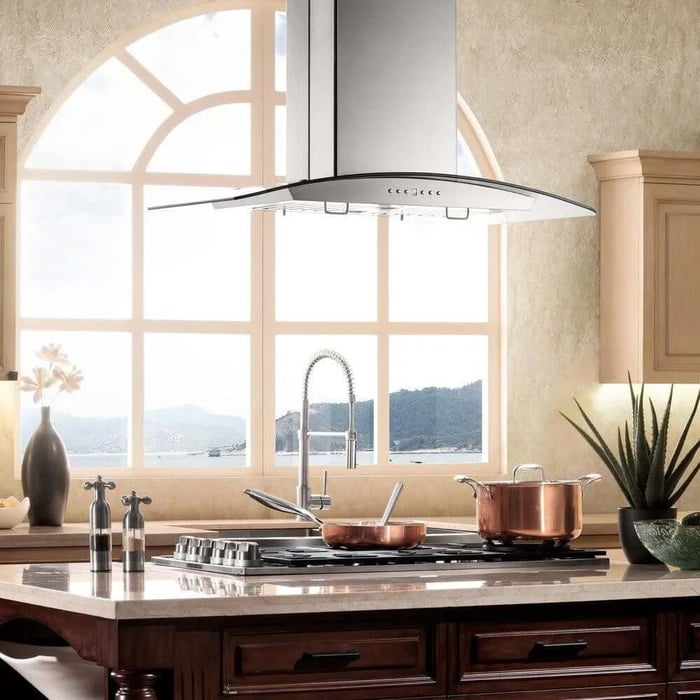
Pros of Island Mount Range Hoods
- Provides essential ventilation for island cooktops in open floor plans.
- Higher CFM options are available to compensate for the lack of surrounding walls.
- Statement-making design that acts as a focal point in the kitchen.
- Improves air quality by capturing smoke, grease, and odors in large spaces.
- Available in modern, professional, and minimalist styles to suit open kitchens.
Cons of Island Mount Range Hoods
- Most expensive hood style due to ceiling mounting and complex ducting.
- Installation is more involved and often requires professional structural support.
- Less efficient smoke capture compared to wall-mounted hoods because of airflow dispersion.
- Can visually dominate the space, especially in smaller or low-ceiling kitchens.
- Requires precise ceiling height and alignment for optimal performance.
ZLINE Convertible Vent Island Mount Range Hood in Stainless Steel (KE2i)

$674.99
$749.99
The ZLINE KE2i is a professional island mount stainless steel hood designed to be both elegant and powerful, featuring the industry's only lifetime warranty motor. This hood is made from 430-grade stainless steel and is a ZLINE classic. Its durable… Read More
Best Use Cases of Island Mount Range Hoods
Island mount range hoods are ideal for open-concept kitchens with island cooking surfaces where strong ventilation and visual impact are both design priorities.
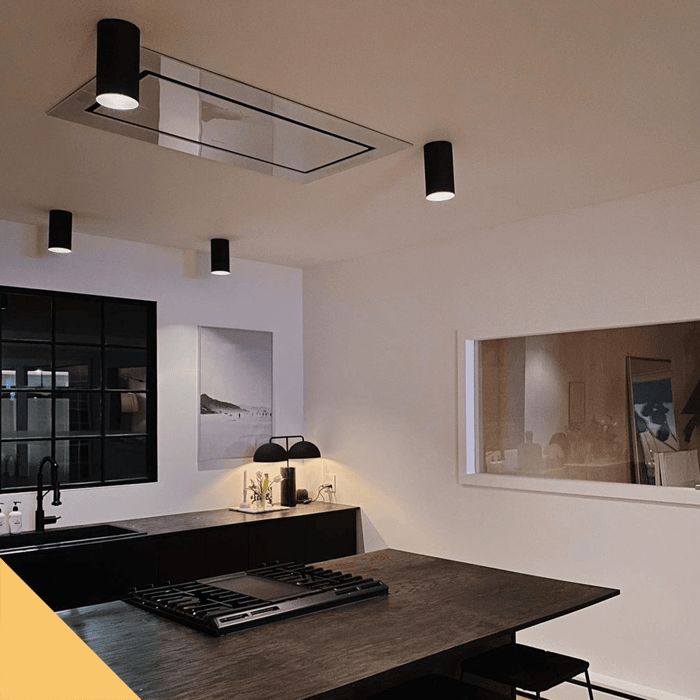
Ceiling Mount Range Hoods:
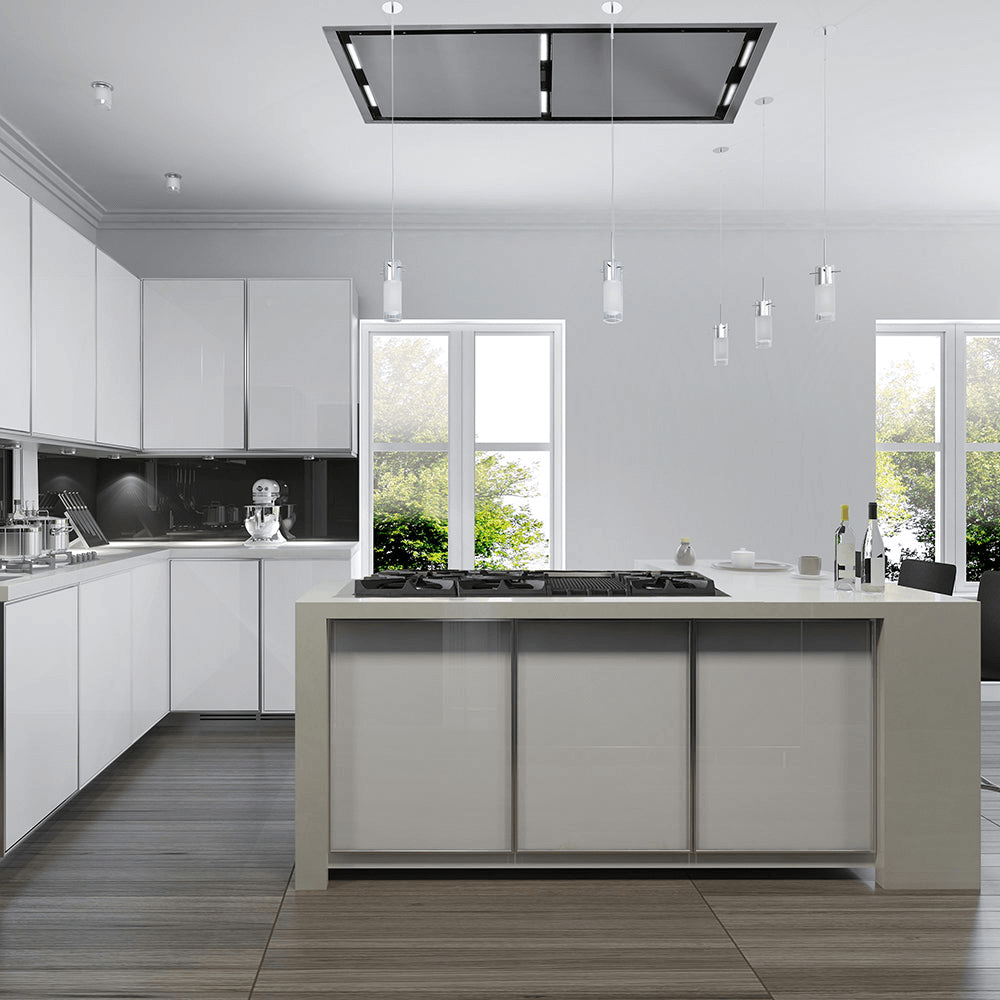
In certain kitchen designs, where the range or cooktop is positioned at the center of a kitchen island, a ceiling mount range hood becomes the optimal choice. These range hoods are specifically designed to be mounted directly into the ceiling, creating a striking focal point in your kitchen. As they are not situated near any walls, these hoods offer unrestricted views and allow for a more open and spacious kitchen layout.
Pros of Ceiling Mount Range Hoods
- Minimal visual impact that preserves clean sightlines and open-concept design.
- Ideal for modern, contemporary, and minimalist kitchen styles.
- Keeps the cooking area visually uncluttered without bulky hood structures.
- Works well in kitchens with island cooktops and higher ceilings.
- Often paired with remote or inline blowers to reduce perceived noise.
Cons of Ceiling Mount Range Hoods
- Less effective smoke and grease capture compared to wall or island hoods due to the distance from the cooktop.
- Requires higher CFM ratings to compensate for increased mounting height.
- More complex and costly installation involving ceiling modifications and ducting.
- Maintenance and filter access can be less convenient due to ceiling placement.
- Not ideal for heavy cooking or high-BTU gas ranges without supplemental ventilation.
VICTORY Sunset 36 in. 600 CFM Flush Ceiling Mount Range Hood with Stainless Steel, White, and Black Color Options

$2,339.10
$2,599.00
The Victory Sunset is an innovative Flush Ceiling Range Hood meticulously designed to seamlessly integrate into your open-concept kitchens while delivering unparalleled performance and aesthetic elegance. Made in Canada with precision engineering, this range hood is designed to be installed… Read More
Best Use Cases of Ceiling Mount Range Hoods
Ceiling mount range hoods are best suited for design-driven kitchens prioritizing minimalism and open space, where moderate cooking demands and aesthetics outweigh maximum ventilation performance.
Explore Ceiling Mount Range Hoods
Downdraft Range Hoods:
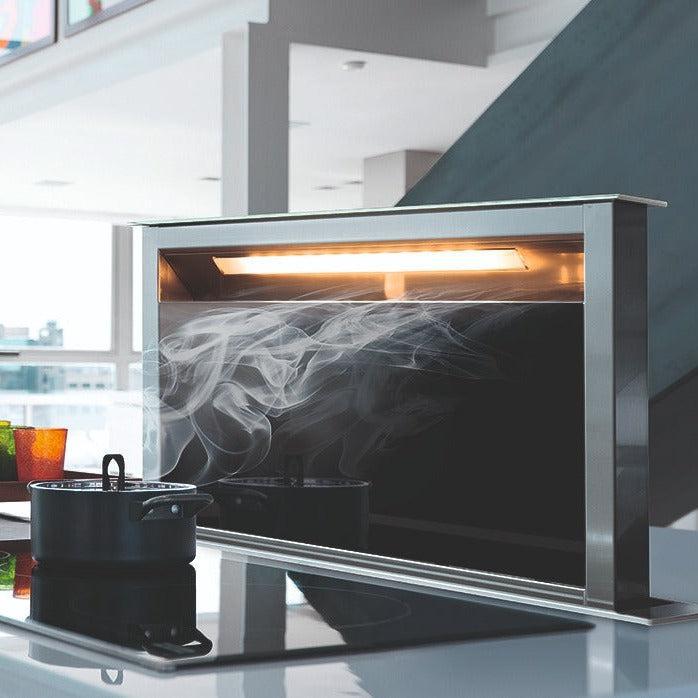
Downdraft range hoods feature a discreet design that remains hidden when not in use, providing an unobstructed view of your kitchen. When activated, they rise from the countertop to efficiently capture and exhaust smoke, steam, grease, and odors downward. This downward ventilation method offers a sleek and minimalist aesthetic, ensuring that your kitchen's design remains uninterrupted.
Pros of Downdraft Range Hoods
- Preserves open sightlines and unobstructed views in open-concept kitchens.
- Ideal for island cooktops where overhead hoods are not desired.
- Clean, low-profile appearance that supports modern and minimalist designs.
- Retractable designs allow the vent to disappear when not in use.
- Works well with electric and induction cooktops that produce less rising heat.
Cons of Downdraft Range Hoods
- Least effective ventilation style for capturing smoke, grease, and heat.
- Not recommended for gas ranges or high-BTU cooking.
- Limited CFM output compared to overhead range hoods.
- Complex ducting that often requires floor or slab modifications.
- Takes up valuable cabinet or under-cooktop storage space.
Best Use Cases of Downdraft Range Hoods
Downdraft range hoods are best for design-focused kitchens using electric or induction cooktops, where visual openness is prioritized over maximum ventilation performance.
How to Find the Best Range Hood Height
The ideal height for a range hood depends on factors like kitchen characteristics and cooking habits. Generally, indoor range hoods should be installed 30”- 36” above the cooking surface, matching or exceeding its size. Outdoor range hoods perform best when installed 36”- 42” above the cooking surface to effectively capture smoke, steam, and odors. It’s essential to consider the range hood's size, power, and, for high ceilings or island cooktops, the need for a chimney extension. Following manufacturer guidelines and assessing your kitchen's requirements can guide you in determining the optimal range hood height.
Best Range Hood for Short Ceilings
ZLINE Convertible Vent Wall Mount Range Hood in Stainless Steel & Glass (KN4)
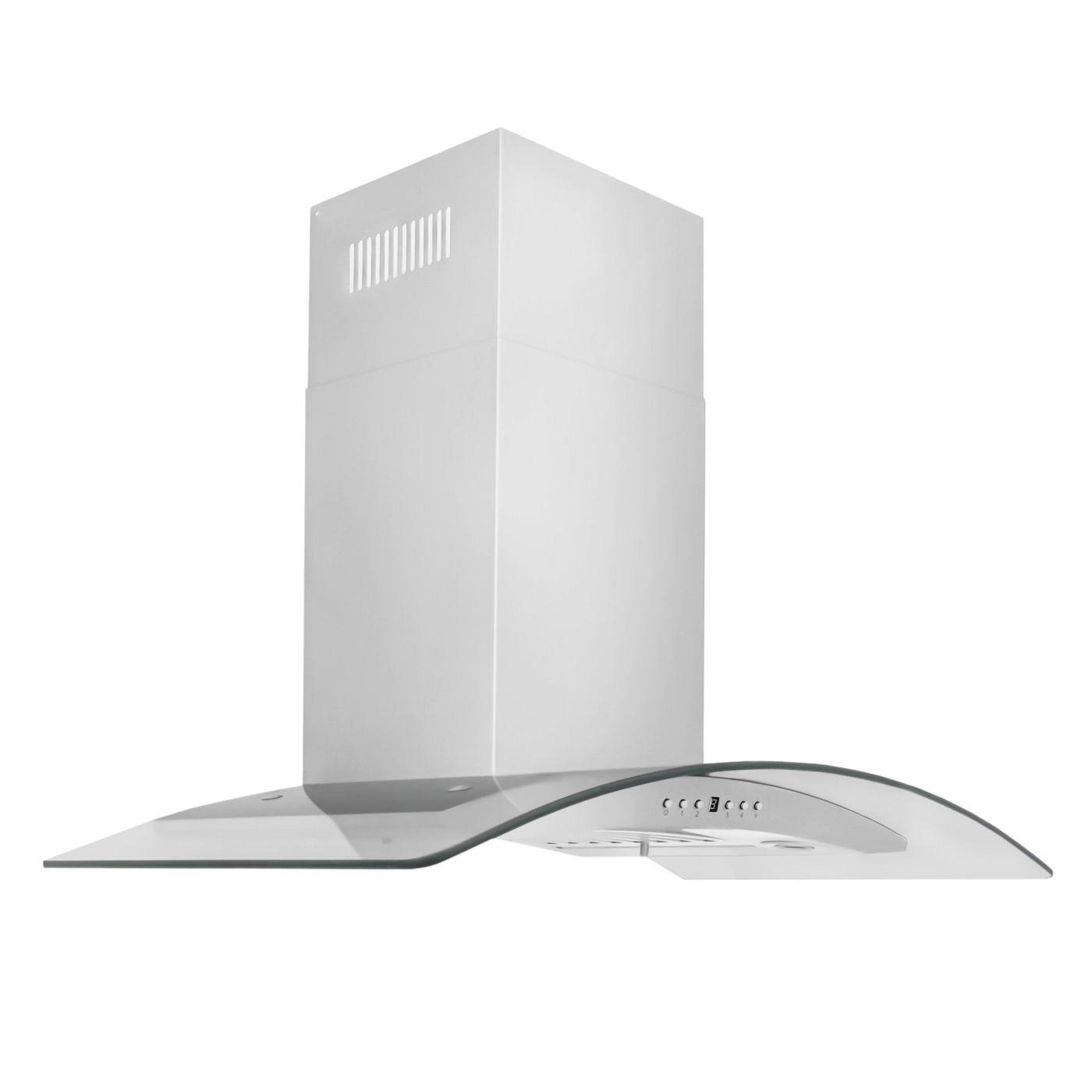
We love this ZLINE range hood because it’s easy to install and has an easy recirculating conversion process. This ZLINE range hood and many others have adjustable chimneys, meaning you can shorten or lengthen them to properly fit your ceiling height. However, if you’re looking to shorten or elongate even further than the adjustable chimney, you have the option of purchasing either a short kit or a chimney extension. However, it’s important to note that these range hood accessories are nonreturnable/nonrefundable. You can find this ZLINE Wall Mount Range Hood short kit here, which is meant for ceilings with a height of 7–8ft.
Do I Need a Short Kit?
If your ceiling height is anything below 8ft, you may want to consider investing in a short kit. If you have low ceilings or limited space, a short kit can improve performance by reducing the distance between the hood and the cooking surface, enhancing smoke and odor extraction. Evaluating your kitchen ceiling height and distance to the cooktop are important factors to consider, as well as consulting manufacturer recommendations when deciding if a short kit is needed for optimal range hood performance.
Best Range Hood for High Ceilings
ZLINE Convertible Vent Wall Mount Range Hood in Stainless Steel (KL2)
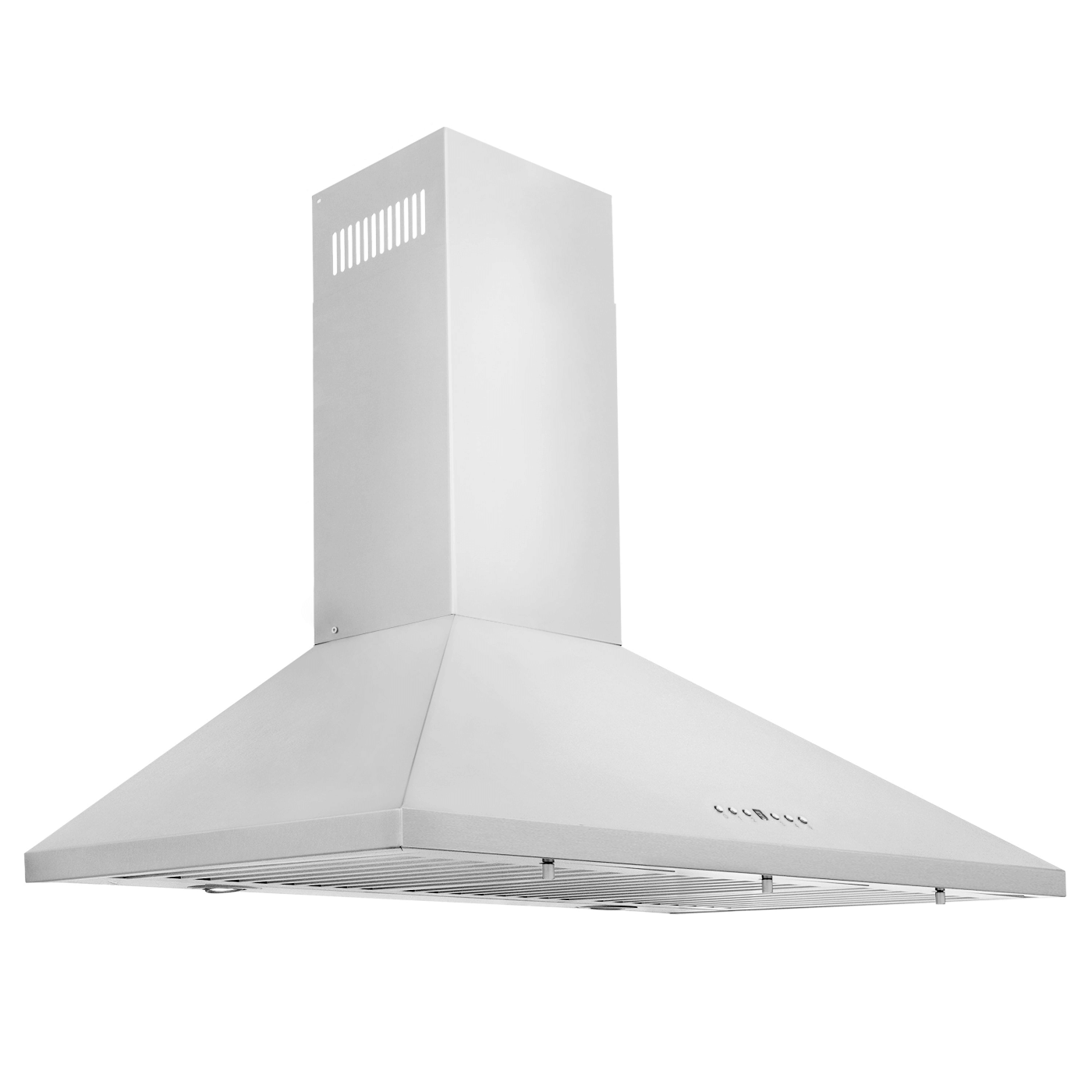
This ZLINE range hood is a great model, but it doesn’t have a hefty price tag attached. Similar to many other ZLINE range hood models, this KL2 has an adjustable chimney, meaning you can shorten or lengthen it to properly fit your ceiling height. However, if you’re looking to shorten or elongate even further than the adjustable chimney, you have the option of purchasing either a short kit or a chimney extension. However, it’s important to note that these range hood accessories are nonreturnable/nonrefundable. You can find this ZLINE Wall Mount Range Hood chimney extension here, which is meant for ceilings with a height of 10–12ft.
Do I Need a Chimney Extension?
If your kitchen ceiling height is anything over 8ft, you may need to consider purchasing a chimney extension. A chimney extension can offer advantages like improved ventilation, better smoke and odor extraction, and enhanced overall performance. Evaluating your kitchen ceiling height and distance to the cooktop are important factors to consider. Consulting manufacturer recommendations will also aid in deciding if a chimney extension is needed for optimal range hood performance.
What is CFM?
CFM (cubic feet per minute) is a measurement for range hoods, indicating their air-moving capacity. It determines ventilation power and the ability to effectively remove smoke, steam, grease, and odors. A higher CFM rating signifies a more powerful and efficient hood, but it's important to consider factors like kitchen size, cooking style, and cooktop heat output. As a general guideline, a range hood should have a minimum CFM rating of 100 CFM per linear foot of the cooktop. Balancing power is crucial to avoid excessive airflow and negative pressure, so consulting a professional or manufacturer's guidelines is recommended for selecting the appropriate CFM rating for your specific kitchen and cooking requirements.
What is Ducted vs Ductless?
Ducted and ductless range hoods are two primary types of ventilation systems used in kitchens. Ducted hoods vent air outside through ductwork, while ductless hoods use filters to trap grease and odors before recirculating cleaned air back into the kitchen. Ductless hoods are easier to install and suitable for kitchens without exterior wall access, but they are generally less efficient in removing heat and humidity. The choice between ducted and ductless hoods depends on factors like kitchen layout, available ventilation options, and personal preferences for convenience and effectiveness.
No matter what mount style your kitchen needs, The Range Hood Store offers a wide selection of finishes and styles of each of these types of range hoods. Contact us if you need assistance with finding the best range hood for your kitchen, as our Customer Service Department is ready to help with any questions that you might have!
Make sure to follow us on all our social media pages to be the first to hear about new deals and product launches!
Connect with us on social media!
Facebook: The Range Hood Store
Instagram: @therangehoodstore
YouTube: The Range Hood Store
Pinterest: @TheRangeHoodStore
FAQs
Do I really need a range hood in my kitchen?
In most kitchens, yes. A range hood helps remove smoke, grease, heat, and odors created by cooking, which improves indoor air quality and helps prevent buildup on cabinets, walls, and ceilings. It can be especially important if you cook frequently, use high heat, or have a gas range.
What does a range hood actually do?
A range hood pulls in airborne grease, steam, and odors from above your cooktop, filters out particles, and then either vents the air outside (ducted) or recirculates filtered air back into the kitchen (ductless). The goal is cleaner air and less residue throughout the kitchen.
Which range hood mount type should I choose?
The right mount depends on where your cooktop is located and the look you want. Wall mount hoods work best for ranges against a wall, under cabinet hoods are ideal when you want to preserve cabinetry, inserts are best for custom hood designs, island hoods are built for cooktops placed in islands, ceiling mount hoods prioritize a minimalist look, and downdrafts are chosen when you want to avoid an overhead hood entirely.
What are the benefits of a wall mount range hood?
Wall mount range hoods typically offer strong ventilation, broad CFM options for high-BTU cooking, and a design-forward look that can serve as a focal point. They are a popular choice for kitchens where the range sits against a wall and performance matters.
When is an under cabinet range hood the better option?
Under cabinet range hoods are a strong fit for smaller kitchens or layouts where you want to maintain upper cabinet storage. They create a built-in look, are often more budget-friendly, and are commonly used for standard cooking needs.
What is a range hood insert, and who is it for?
A range hood insert is the functional ventilation unit installed inside a custom hood enclosure. It is best for homeowners who want a fully customized hood exterior, such as a wood or plaster cover, while still getting powerful ventilation performance.
Do island range hoods work as well as wall mount hoods?
Island hoods are essential for island cooktops, but they can be less efficient at capturing smoke because there is no surrounding wall to help funnel airflow. To compensate, many island setups rely on higher CFM and careful installation height for better capture.
What is the difference between an island hood and a ceiling mount hood?
Island range hoods are suspended from the ceiling and are more visually present, while ceiling mount hoods are typically recessed or flush for a cleaner look. Ceiling mount models often prioritize minimalism, but they may require higher CFM due to being farther from the cooking surface.
Are downdraft range hoods a good replacement for overhead hoods?
Downdrafts are typically chosen for aesthetics and open sightlines, but they are usually the least effective at capturing smoke and grease, especially for gas cooking. They tend to perform best with electric or induction cooktops where heat and smoke rise less aggressively.
What height should a range hood be installed above the cooktop?
Most indoor range hoods perform best when installed about 30 to 36 inches above the cooking surface. Outdoor range hoods often perform best around 36 to 42 inches due to higher heat and airflow conditions. Manufacturer requirements should always be followed.
Do I need a short kit for my range hood chimney?
A short kit is commonly needed for ceilings below 8 feet to ensure the chimney fits correctly and the hood sits at the right height above the cooktop. Using the correct kit helps keep installation clean and supports proper capture performance.
Do I need a chimney extension for high ceilings?
If your ceiling height is above 8 feet, you may need a chimney extension so the chimney reaches the ceiling cleanly and maintains proper hood placement. This is especially common in open-concept kitchens and homes with vaulted ceilings.
What is CFM, and how do I know what I need?
CFM stands for cubic feet per minute and measures how much air a range hood can move. Higher CFM generally means stronger ventilation, which can be useful for high-heat cooking, frequent frying, or high-BTU gas ranges. A common guideline is at least 100 CFM per linear foot of cooktop, but cooking style and BTU output also matter.
Is higher CFM always better?
Not always. Higher CFM can increase noise and may require proper makeup air planning in some homes to avoid negative pressure. The best CFM is the one that matches your cooking output and kitchen size without creating comfort or airflow issues.
What is the difference between ducted and ductless range hoods?
Ducted hoods vent air outside through ductwork, which is typically the most effective way to remove heat, smoke, and moisture. Ductless hoods filter the air and recirculate it back into the kitchen, which can be helpful when exterior venting is not possible, but it is generally less effective for heavy cooking.
Are ductless range hoods effective?
They can be effective for light to moderate cooking when properly sized and maintained, but they do not remove heat and humidity the same way ducted systems do. They also require ongoing filter replacement, especially charcoal filters, to stay effective.
How do I choose the right range hood style and finish?
Start with your kitchen layout and mount type, then select a finish that matches or complements your appliances and hardware. Stainless steel remains a common choice, but many kitchens now use black stainless, matte finishes, wood enclosures with inserts, or statement hoods to align with the overall design theme.
What should I prioritize most when choosing a range hood?
Prioritize performance requirements first, including mount type, ventilation method, and CFM matched to your cooking habits. Once the functional needs are met, choose the style, finish, and features that best align with your kitchen design and how you use the space.