Table of Contents
- What Is a Cooktop?
- What Is a Rangetop?
- Cooktops vs. Rangetops: At-a-Glance Comparison
- Cooktops vs. Rangetops: 5 Key Differences
- Cooktops vs. Rangetops: Gas or Induction?
- Ventilation for Cooktops and Rangetops
- Should You Choose a Cooktop or Rangetop?
- Can You Replace a Cooktop With a Rangetop?
- Cooktops vs. Rangetops: Final Considerations
- FAQs
Your primary cooking appliances can have a major impact on the layout and overall flow of the kitchen.
Homeowners who prefer a separate wall oven instead of a traditional range typically have a decision to choose between a cooktop and a rangetop.
At first glance, the two appliances may seem nearly identical, as both of them have a dedicated cooking surface without an oven underneath.
The biggest differences come down to installation, control placement, and appearance.
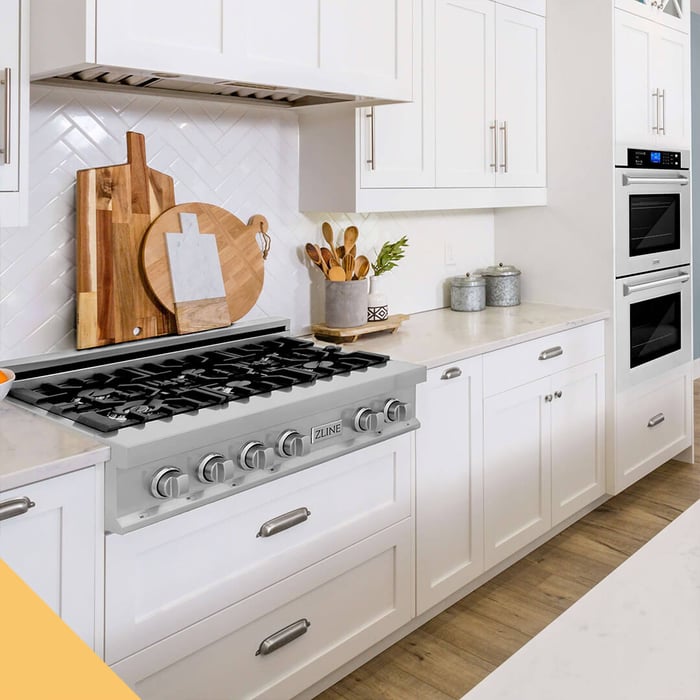
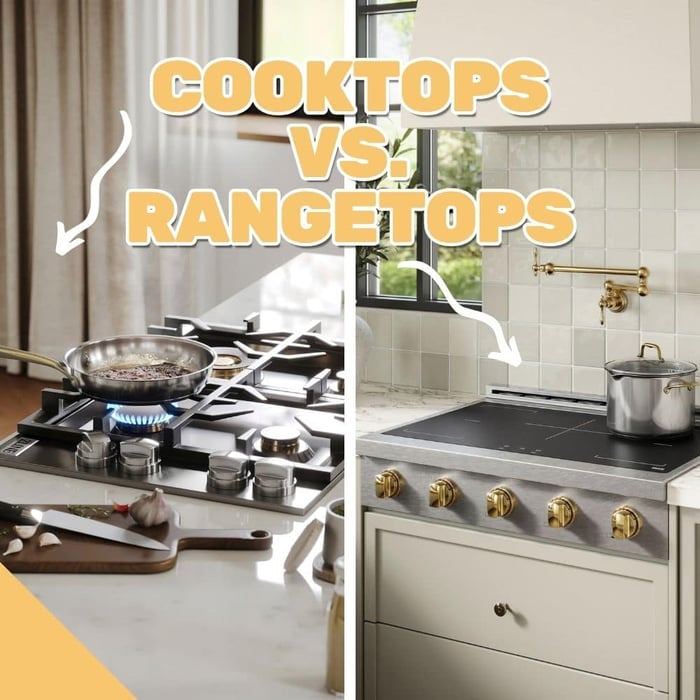
A cooktop drops into a cutout within the countertop and typically has controls on the cooking surface, while a rangetop slides into the cabinetry from the front, with controls positioned on a vertical front panel similar to a professional range.
In this guide, we’ll compare cooktops vs. rangetops in detail to help you determine which makes the most sense for your kitchen.
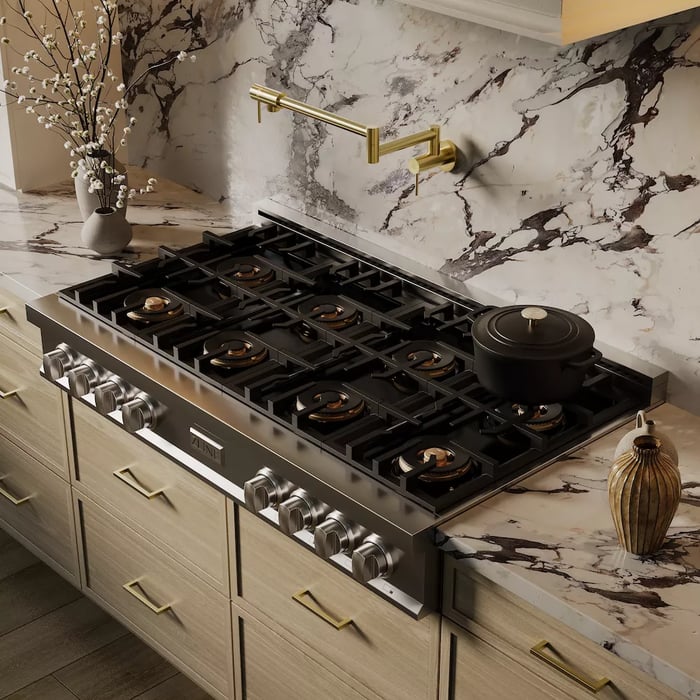
What Is a Cooktop?
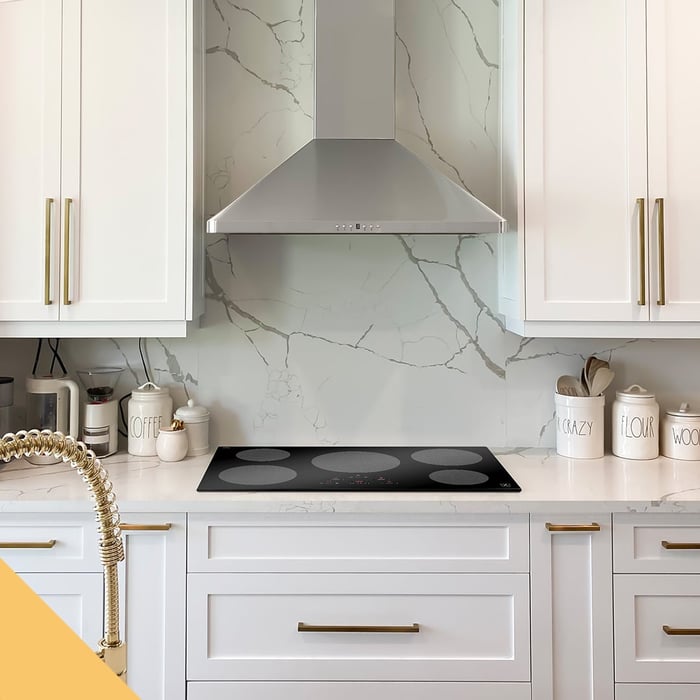
Cooktops are also sometimes referred to as drop-in or built-in, and are installed inside a cutout in the countertop.
Because the countertop continues around the appliance, cooktops have a low-profile and tend to require less vertical cabinet space than rangetops.
Depending on the model, cooktops can leave more usable storage beneath the cooking surface.
Additionally, cooktop controls are located on the top of the appliance.

What Is a Rangetop?
Rangetops are essentially just a sub-category of cooktops that have been designed to resemble the upper portion of a professional-style range without an oven beneath it.
In other words, a rangetop is literally the top of the range.
Instead of dropping into an opening surrounded by countertop, a rangetop slides into the cabinetry from the front and extends to the front edge of the counter.
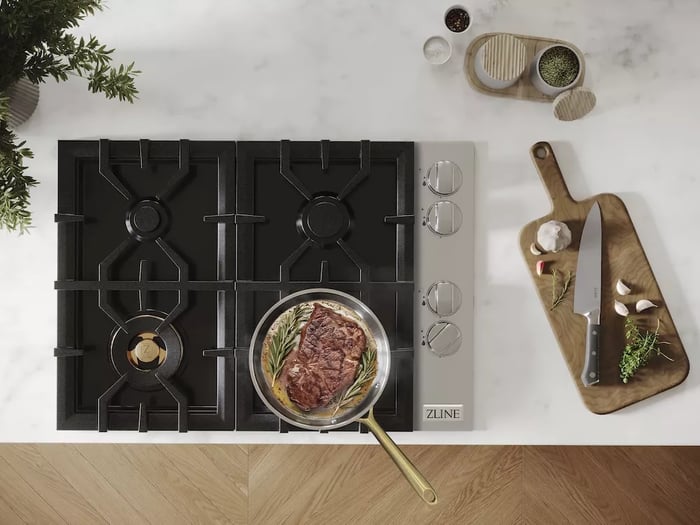
The most recognizable difference is the controls.
Rangetops generally feature front-mounted knobs on a vertical control panel, leaving the upper cooking surface dedicated primarily to burners or induction zones.
This configuration gives rangetops their signature professional appearance while also changing the cabinetry requirements beneath the appliance.
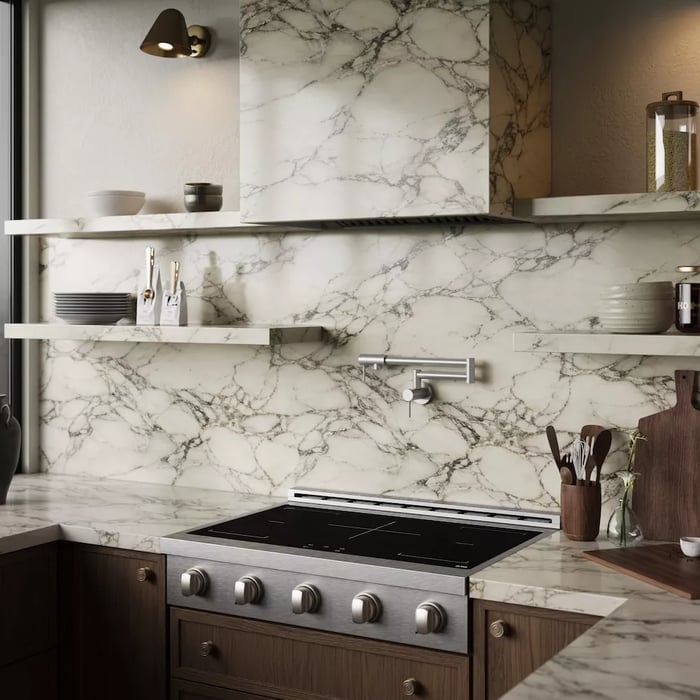
Cooktops vs. Rangetops: At-a-Glance Comparison
| Feature | Cooktop | Rangetop |
|---|---|---|
| Installation | Drops into a countertop cutout | Slides into cabinetry from the front |
| Controls | Located on the cooking surface | Located on the front vertical panel |
| Cabinet Impact | Typically less | Typically more |
| Cooking Surface | Controls may share surface space | Upper surface primarily dedicated to cooking |
| Appearance | Low-profile and integrated | Bold and professional-inspired |
| Common Fuel Types | Gas, electric radiant, and induction | Primarily gas, with induction options available |
| Best For | Streamlined kitchens and flexible cabinetry | Professional styling and front controls |
Cooktops vs. Rangetops: 5 Key Differences
1. Control Placement and Everyday Use
One of the easiest ways to tell a cooktop and rangetop apart is the location of the controls.
On a cooktop, knobs or digital controls are positioned on the top of the appliance. Depending on the layout, that can mean reaching alongside cookware to make adjustments.
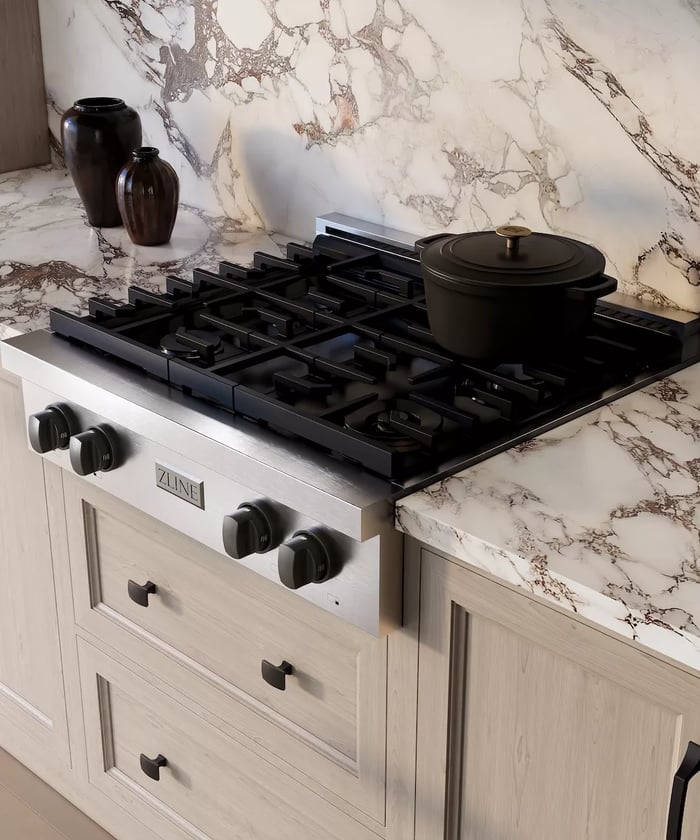
On a rangetop, the controls are positioned on the front of the appliance. This keeps controls separate from the cooking surface and creates an operating experience similar to a traditional professional range.
2. Cooking Surface and Burner Spacing
Because a cooktop's controls are generally incorporated into the top surface, they occupy some of the appliance's overall footprint.
Rangetops move those controls to the front panel, allowing more of the upper surface to be devoted to burners or induction zones.
That does not automatically mean every rangetop has more cooking capacity than every cooktop. Burner spacing and usable surface area vary significantly by model.
3. Cabinetry and Storage
Cabinet design is one of the most important differences to consider before purchasing either appliance.
In most cases, a cooktop provides greater flexibility for under-counter storage.
Cooktops tend to sit primarily within a countertop opening and are relatively shallow compared with most rangetops, which can often preserve more cabinetry beneath the cooking surface.
Rangetops extend farther down the front of the cabinetry to make space for the front control panel, meaning they occupy space that might otherwise be used by a top drawer.
4. Kitchen Design and Appearance
Cooktops feature a low-profile installation that maintains a continuous countertop line where the cooking surface visually recedes into the countertop.
Rangetops are designed to have a similar appearance to a professional range even when the oven is installed elsewhere and can become one of the primary visual anchors in the kitchen.
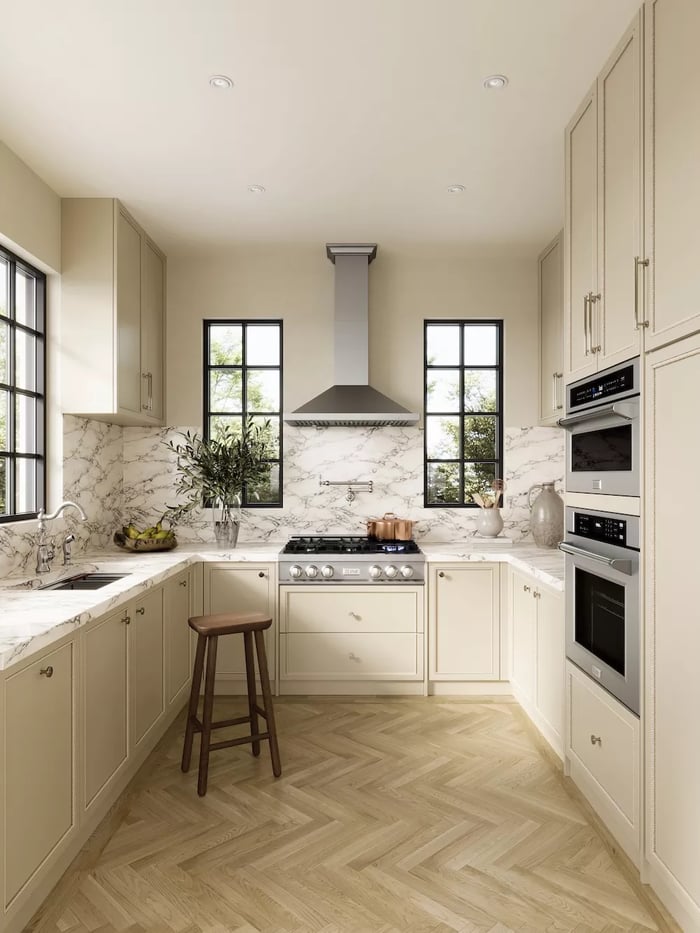
5. Installation Requirements
Neither appliance should be selected based on dimensions alone.
Always review the manufacturer's specifications for:
Countertop and cabinet cutouts: Cooktops and rangetops use significantly different installation methods. Replacing one with the other will typically require changes to both the countertop and cabinetry.
Gas supply: Gas requirements depend on the individual appliance and its total burner capacity.
Electrical service: Electric and induction models may require dedicated 208V or 240V circuits with amperage requirements determined by the appliance.
Ventilation: Ventilation should be sized for the appliance, cooking style, hood configuration, and applicable building requirements rather than simply choosing a hood based on appliance width alone.
ZLINE Autograph Edition 30 in. Paramount Induction Rangetop with 4 Element Cooktop in Stainless Steel and Champagne Bronze Accents (SINRTZ-30-CB)

$2,039.99
$2,399.99
The ZLINE Autograph Edition 30 in. Paramount Induction Rangetop with 4 Element Cooktop in Stainless Steel and Champagne Bronze Accents (SINRTZ-30-CB) combines the versatility of a nanotechnology-reinforced anti-scratch cooktop with anti-glare coating and a simplified slide-in installation process for maximum… Read More
Cooktops vs. Rangetops: Gas or Induction?
After deciding between a cooktop and rangetop, you'll also need to choose a fuel type.
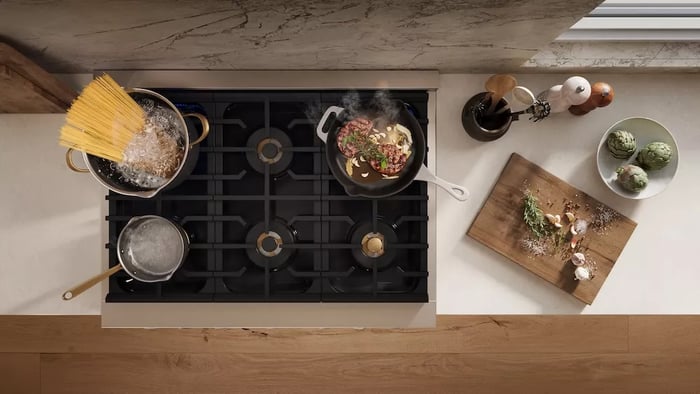
Choose Gas If You Prefer:
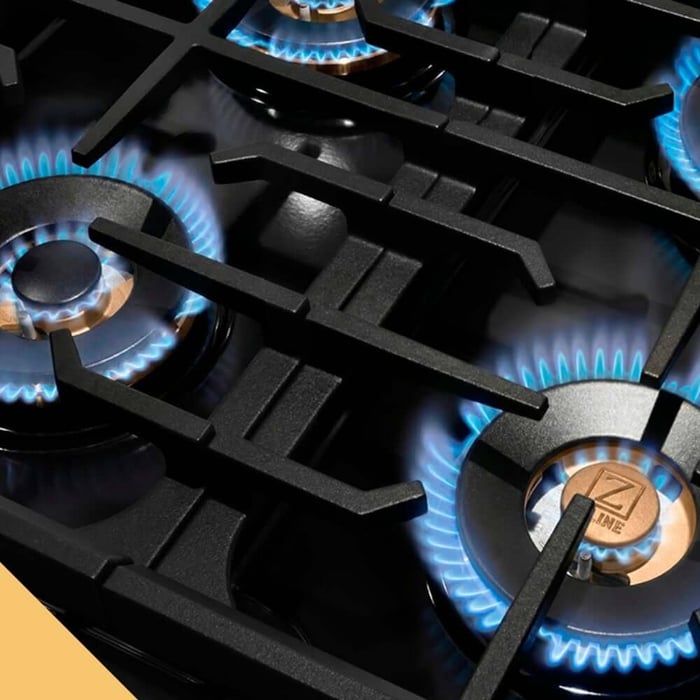
Visible flame feedback, immediate manual adjustment, and broad cookware compatibility.
Gas can also appeal to cooks who frequently use cooking techniques that benefit from an open flame.
Choose Induction If You Prefer:
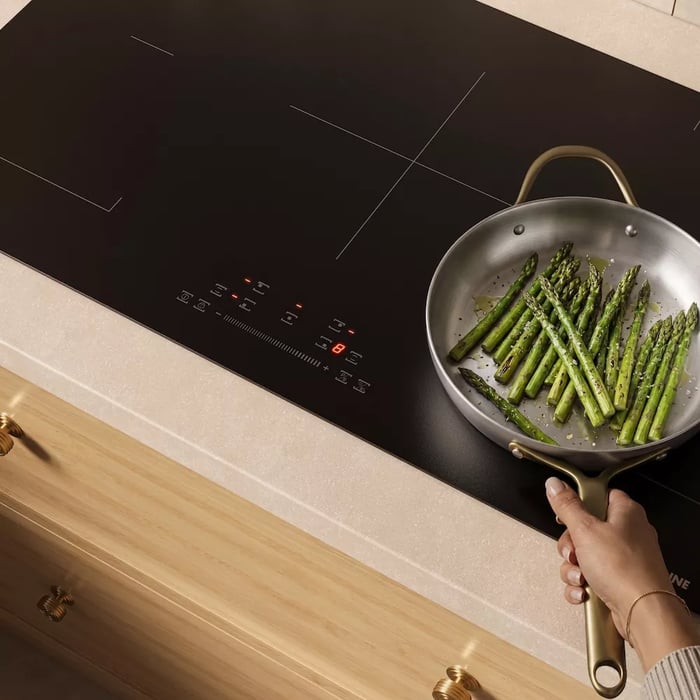
Fast response, efficient energy transfer, precise temperature adjustment, and a smooth cooking surface that's easy to clean.
Keep in mind that induction requires compatible magnetic cookware and sufficient electrical service.
Neither fuel type is universally better. The right choice depends on how you cook, your available utilities, and the features you value most.
Ventilation for Cooktops and Rangetops
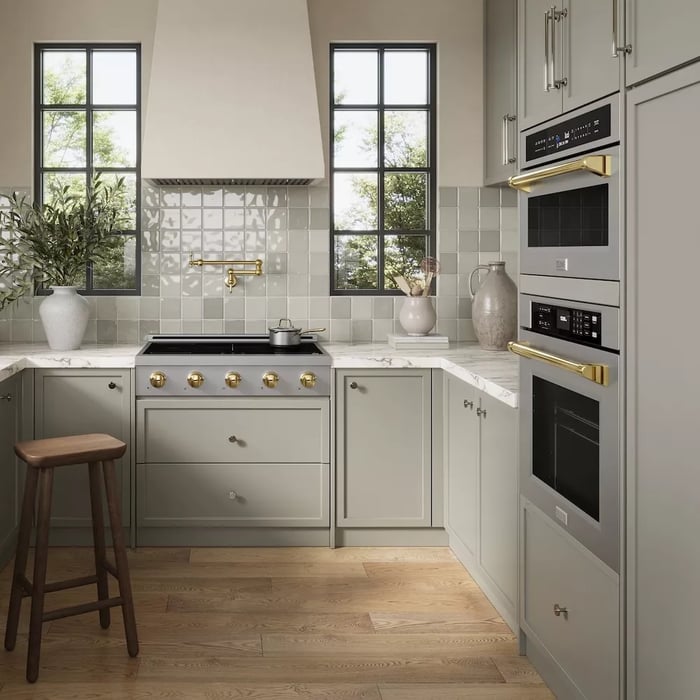
Regardless of which cooking surface you choose, ventilation should be part of the planning process.
Gas appliances release heat, moisture, cooking contaminants, and combustion byproducts into the kitchen, while both gas and electric cooking can generate grease, smoke, steam, and odors.
Ventilation requirements vary based on several factors, including:
Your appliance's total output, hood width and depth, installation height, ductwork, cooking habits, and local building requirements.
High-output professional gas rangetops may require greater ventilation capacity than lower-output cooktops.
Before purchasing a hood, compare your cooking appliance specifications with the ventilation manufacturer's recommendations and applicable local requirements.
Should You Choose a Cooktop or Rangetop?
The better choice depends on how you want your kitchen to function and look.
Choose a Cooktop If:
You prefer a low-profile, integrated look; need to preserve under-counter storage; are replacing an existing cooktop; or want the flexibility of gas, radiant electric, or induction in a streamlined format.
Cooktops are particularly well suited to kitchen islands and designs where uninterrupted countertop lines are a priority.
Choose a Rangetop If:
You prefer front-mounted physical controls; regularly cook with large cookware; want a professional-style cooking station; or are designing cabinetry specifically around your cooking appliance.
Rangetops can also be a strong option for kitchens using separate wall ovens but still seeking the visual presence traditionally associated with a professional range.
Can You Replace a Cooktop With a Rangetop?
Usually, not without modifications.
A cooktop sits within a countertop cutout, while a rangetop typically slides into a larger opening that extends through the front of the countertop and cabinetry.
Converting from one to the other may require:
Countertop fabrication, cabinet modifications, and changes to gas or electrical connections.
If you're considering the switch during a remodel, choose the appliance before finalizing your cabinetry and countertop dimensions.
Cooktops vs. Rangetops: Final Considerations
Both cooktops and rangetops can create a highly functional cooking station when paired with a separate wall oven.
The biggest question is not simply which appliance offers more power. Consider how each one affects your cabinetry, control placement, storage, ventilation, and overall kitchen design.
Choose a cooktop when you want a streamlined cooking surface and greater cabinetry flexibility. Consider a rangetop when front-mounted controls, spacious cooking zones, and professional styling are higher priorities.
Once you've decided which format works best for your kitchen, compare individual models carefully. Dimensions, burner layouts, electrical requirements, gas connections, and installation specifications can vary considerably, even among appliances of the same width.
For more information about cooktops vs. rangetops, contact our experts or explore our wide selection of cooktops and rangetops to get started with your kitchen upgrade.
Connect with us on social media!
Facebook: The Range Hood Store
Instagram: @therangehoodstore
YouTube: The Range Hood Store
Pinterest: @TheRangeHoodStore
FAQs
What is the main difference between a cooktop and a rangetop?
A cooktop drops into a cutout in the countertop with controls positioned on the cooking surface. A rangetop slides into the cabinetry from the front and typically uses front-facing controls.
Is a rangetop better than a cooktop?
Neither is inherently better. A cooktop is often preferable for a streamlined appearance and flexible cabinetry, while a rangetop appeals to homeowners who want front controls, generous cooking space, and professional styling.
Does a rangetop include an oven?
No. Like a standalone cooktop, a rangetop is a dedicated surface-cooking appliance. If you need an oven, it is typically paired with a separate single or double wall oven.
Can you put drawers underneath a cooktop?
Often, but not always. Whether drawers can be installed beneath a cooktop depends on the appliance's depth, required clearances, and utility connections. Always follow the manufacturer's installation specifications when designing cabinetry.
Can you install a wall oven under a cooktop?
Certain cooktop and wall oven combinations are approved for installation together, while others are not. Check the installation instructions for both appliances to confirm compatibility and required clearances before designing the cabinet.
Are induction rangetops available?
Yes. Although gas has traditionally been more common in the professional rangetop category, induction rangetops are now available for homeowners who want a professional-style appliance with front-mounted controls and induction cooking technology.
Does a professional rangetop need a range hood?
A properly sized ventilation system is strongly recommended for cooking appliances, particularly high-output gas rangetops. The appropriate hood capacity depends on the appliance output, hood design, ducting, installation, and local requirements.