Table of Contents
During a remodel, it’s important to take into account all aspects of the room or area of your home you are renovating. Whether that be the kitchen, the bathroom, or even just the living room, you want all of the details of the entire room to flow well and work together to make your ideal home. Specifically in the kitchen, many details need attention and a well-thought-out plan. For example, there are several appliances, fixtures, and hardware that you should be able to have a common theme and colorway with similar finishes and materials. One important appliance that should not be forgotten about is the range hood.
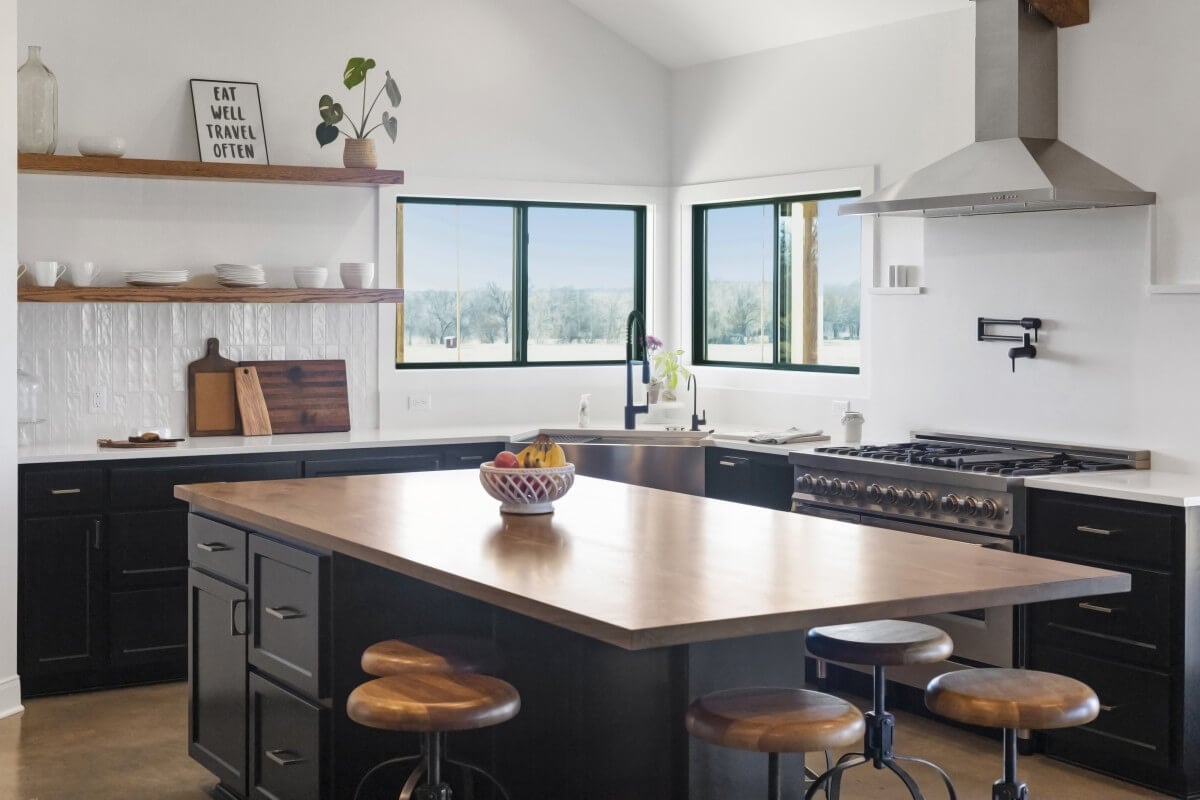
Your range hood works cohesively with your range, so it should look cohesive in your kitchen as well. In this week’s blog, we are going to discuss the main 10 things to take into consideration before purchasing a range hood.
1. Kitchen Layout
The layout of your kitchen is an important factor, as it will determine what size range hood would work best for your kitchen. Also, depending on how much renovating you are planning on doing, you may be able to plan where you want specific appliances to go. This can determine what type of range hood you want and what would look best based on what you hope your kitchen to look like.
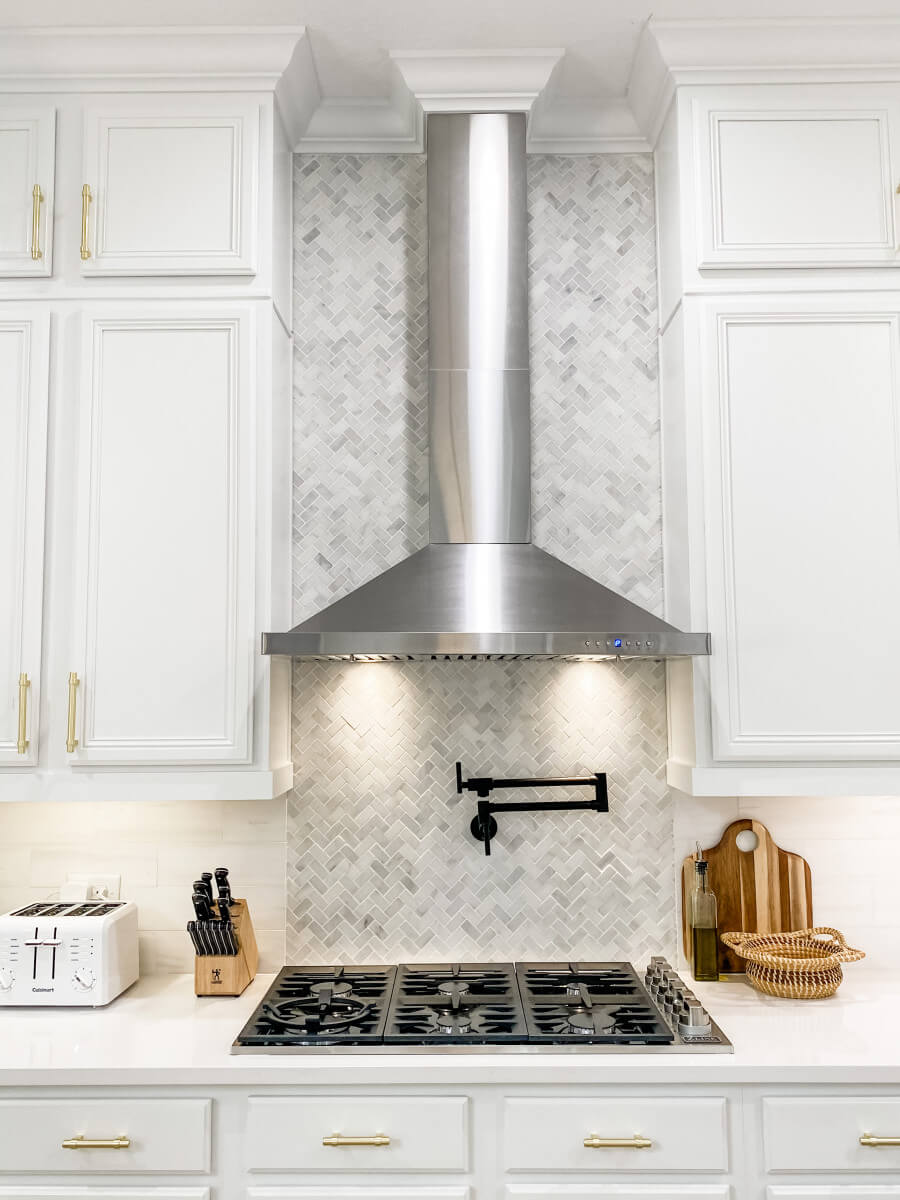
ZLINE Convertible Vent Wall Mount Range Hood in Stainless Steel with Crown Molding (KBCRN)

$386.99
$429.99
The ZLINE KBCRN is a professional wall mount stainless steel range hood with a modern design and built-to-last quality, making it a great addition to any kitchen. This hood's high-performance, 400 CFM 4-speed motor will provide all the power you… Read More
2. Range Hood Size
The layout of your kitchen can also help you decide on what size range hood will work best in the available space. The size of your range should work with the size of your range hood, as the appliances are designed to work together. For wall-mounted ranges and range hoods, we recommend that the widths of each appliance be the same size. For island-mounted ranges and range hoods, we recommend that the range hood be one size width larger than the range or cooktop in order for the range hood to efficiently vent all of the grease and smoke. For wall-mounted range hoods, there is no need to have a much larger range hood than your range, as it would be a waste of space, money, and functionality. Vice versa, you don’t want to have too small a range hood, or else it won’t have enough functionality for when you cook.
3. Mount Type
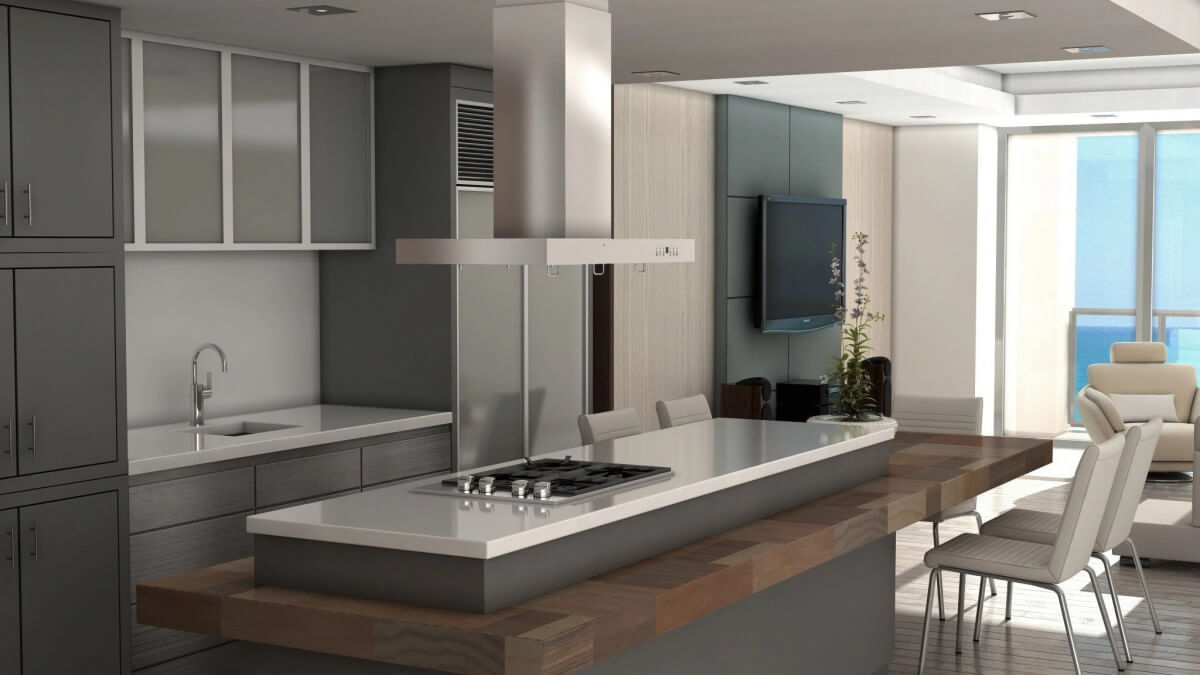
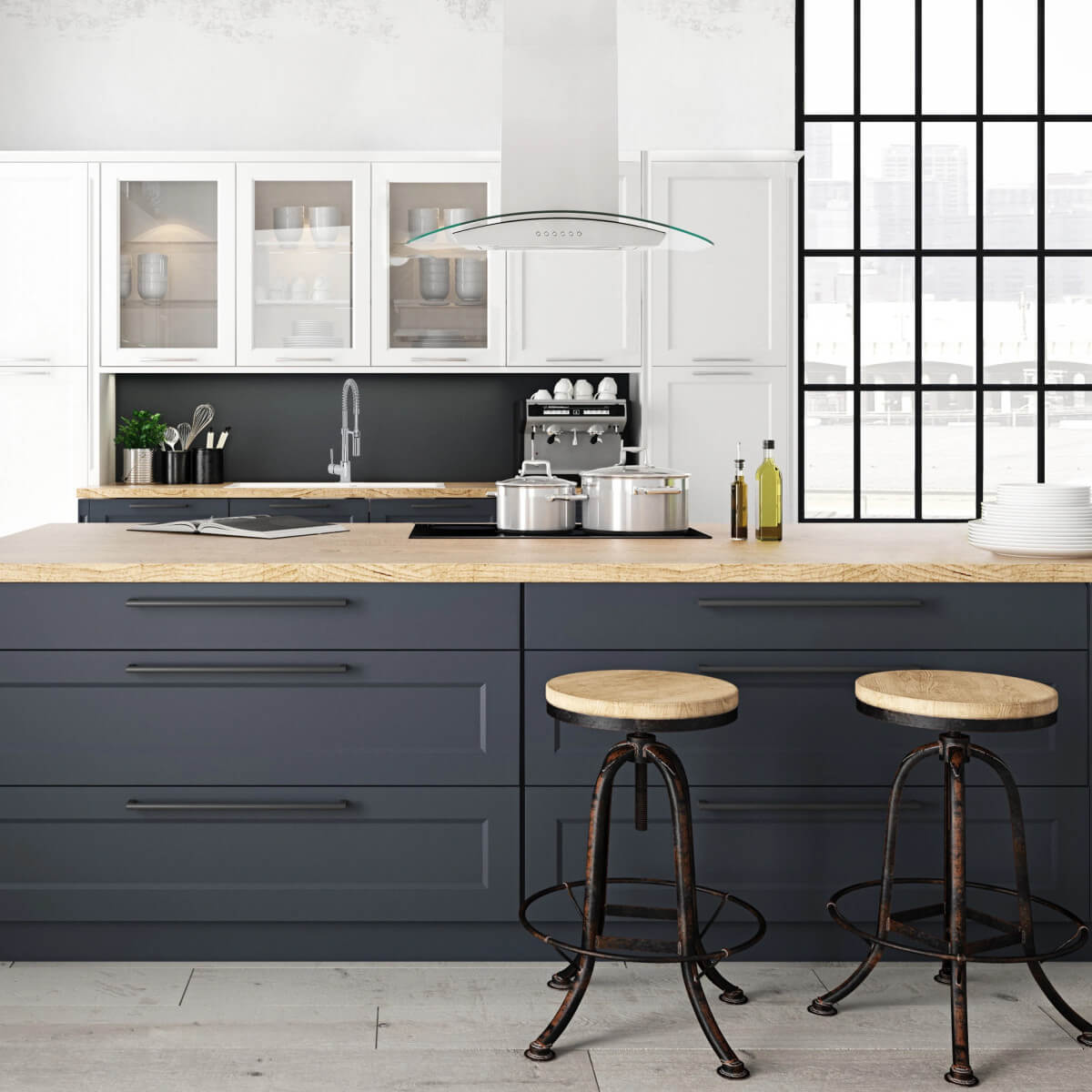
It’s important to make sure the placement of the range hood will line up with the mounting type of the hood you are looking for. Specifically, if your range is against a wall, then you will want a wall mount range hood. If you are looking to do the cooking in the middle of the kitchen, then an island mount range hood is what’s best for you. If you want a custom-built range hood, then all you need is a range hood insert. Lastly, depending on available space and the placement of the cabinetry, you may want to look into under-cabinet range hoods.
4. Noise Level
While range hoods do serve a functional purpose in ventilating and removing grease and smoke, that doesn’t mean that you should sacrifice the comfort of your kitchen by having a range hood that is too loud. The kitchen is a great place to spend time with your family or any company, even when you’re cooking, and you don’t want that taken away by a noisy appliance. You should carefully consider the noise level of any range hood; that way, you don’t have to worry about any extra unnecessary noise.
5. CFM Rating
The whole purpose of a range hood is to remove unwanted air and ventilate out smoke, grease, and other fumes from cooking. You can find out the ability and power of a range hood by looking at the CFM Rating. CFM is cubic feet per minute, and the CFM rating tells you how much the range hood is able to ventilate out the air. The higher the CFM rating, the more air is able to be vented out. It’s important to note that typically, the higher the CFM, the noisier the range hood, which goes hand in hand with the previous tip.
6. Stove BTUs
To go along with the CFM rating, it is important to also consider the BTUs of your range. BTU is the British thermal unit, which measures the heat that provides capabilities to the oven and stovetop. This is important to consider, as this is the source that provides the air, smoke, and grease that your range hood will need to vent out. The higher the BTUs of your range, the higher the CFM rating your range hood will need to be. For every 10,000 BTUs of your stovetop, you will need 100 CFM.
7. Ducted or Ductless Ventilation
Being that the range hood is meant to vent out air, this means the air or smoke is being pushed somewhere else. Sometimes the air is ducted outside of the house or recirculated back into the kitchen area through charcoal filters. Regardless, you should be able to know what will work best for your home or kitchen, and if a range hood is capable of doing so. Some range hoods give you the option to choose one or the other, but others only allow for one option. It’s important to know if the range hood you’re interested in fits your needs for ducted or ductless ventilation.
8. Control Options
Next, you should determine what control options on the range hood you want to be able to have. Specifically, the control of the lighting and the power settings of the range hood. Some range hoods allow you to control the lighting of the hood itself to be dimmable or non-dimmable. If this is something that is important to you, then it is something worth considering. Also, you want to be able to have multiple power settings of the range hood that you can choose depending on how much grease and smoke are being produced. For example, if you are doing a small, simple meal requiring little ventilation, you should be able to put on a low setting, and on the contrary, with cooking meals using multiple burners, you may want to use a higher setting.
9. ADA Compliance
To work further on control ability, another very important option is whether a range hood is ADA-compliant or not. What makes a range hood ADA-compliant is complete and easy access to the button panel’s controls and the ability to operate all range hood functions. This would include remote capabilities that allow you to control the range hood without having to reach or have full access to the button panel itself. If this is something that is a need, then it’s definitely important that a range hood in consideration checks this box for you.
10. Finish Type
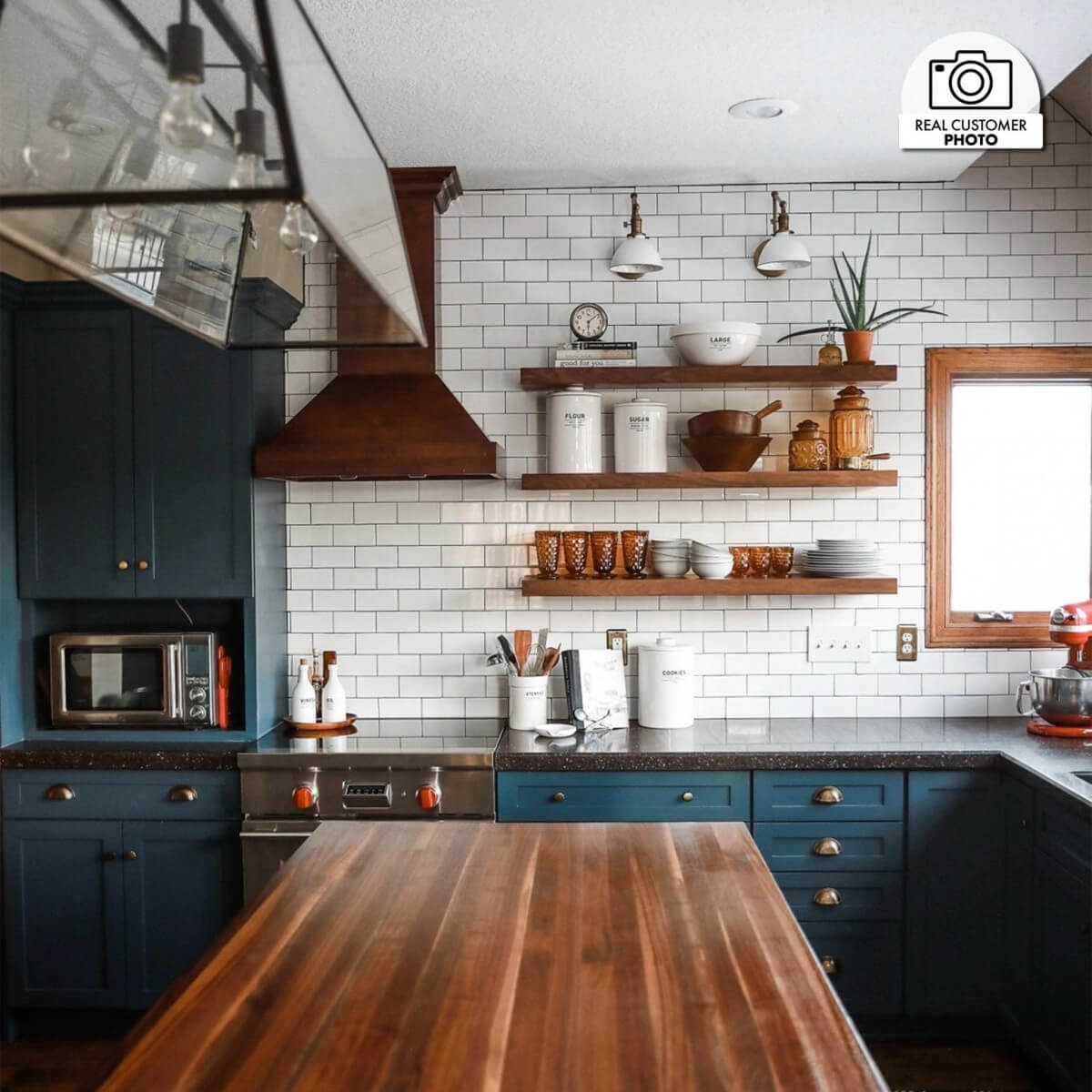
Aside from functionality and use of your range hood in the kitchen, you will want to take a look at your options for the finish. For example, if your range is stainless steel, you will likely want the range hood to also be stainless steel for it to match. Additionally, depending on the style of your home and kitchen, you may want to have a wood or designer finish range hood. You can also have the option of a copper or glass range hood as well, depending on the design of your kitchen. Lastly, you may be looking for an outdoor-rated range hood for an outdoor kitchen.
You can shop for range hoods with all of these tips in mind at The Range Hood Store. You can shop by brand, finish, mount type, size, and several other specifications, including accessories.
That wraps up our list of ways to make the most out of a small kitchen. Make sure to follow us on all of our socials for updates from The Range Hood Store!
Facebook: The Range Hood Store
Instagram: @therangehoodstore
Twitter: @therangehood
YouTube: The Range Hood Store
Pinterest: @TheRangeHoodStore
FAQs
Why is a range hood important in a kitchen remodel?
A range hood plays a critical role in maintaining air quality by removing smoke, grease, heat, and odors produced while cooking. Beyond function, it is also a major visual element in the kitchen and should align with your appliances, finishes, and overall design plan.
How does my kitchen layout affect my range hood choice?
Your kitchen layout determines the mounting type, size, and placement of the range hood. Wall-mounted cooking surfaces pair best with wall mount hoods, island cooktops require island hoods, cabinetry-focused designs may call for inserts, and tight spaces often benefit from under-cabinet models.
What size range hood do I need?
For wall-mounted installations, the range hood should typically be the same width as your range. For island installations, the hood should be wider than the cooktop to capture rising smoke from all sides. Choosing the correct size ensures proper ventilation and avoids wasted space or poor performance.
What are the different range hood mount types?
Common mount types include wall mount, island mount, under-cabinet, and insert range hoods. Each is designed for a specific kitchen configuration, and choosing the wrong mount type can limit both performance and visual appeal.
How loud are range hoods, and should I worry about noise?
Noise level is an important consideration, especially in open-concept kitchens. Higher-powered range hoods can be louder, but many models offer multiple fan speeds so you can balance performance and comfort depending on what you are cooking.
What does CFM mean, and why does it matter?
CFM, or cubic feet per minute, measures how much air a range hood can move. A higher CFM rating means stronger ventilation. Selecting the right CFM ensures smoke, grease, and heat are effectively removed without overpowering the space.
How do stove BTUs affect range hood performance?
BTUs measure the heat output of your cooktop. A common guideline is that for every 10,000 BTUs of cooktop power, you should have at least 100 CFM of ventilation. Higher-BTU ranges require higher-CFM hoods for effective airflow.
What is the difference between ducted and ductless range hoods?
Ducted range hoods vent air outside the home, providing the most effective removal of smoke and odors. Ductless range hoods recirculate air through charcoal filters and are useful when external venting is not possible. Some models offer both options, while others are limited to one.
What control options should I look for in a range hood?
Control options vary by model and may include push buttons, touch panels, remote controls, and dimmable lighting. Multiple fan speeds allow you to adjust airflow based on cooking intensity, improving both efficiency and comfort.
What does ADA compliance mean for range hoods?
An ADA-compliant range hood offers accessible controls that can be operated without excessive reach or force. Many ADA-compliant models include remote control operation, making them easier to use for a wider range of users.
How important is the finish of a range hood?
Finish plays a major role in how well the range hood integrates with your kitchen design. Popular options include stainless steel, wood, copper, glass, and designer finishes. Matching the hood to your range or cabinetry helps create a cohesive, intentional look.
Are outdoor range hoods different from indoor models?
Yes. Outdoor range hoods are built with weather-resistant materials and higher airflow capacity to handle open-air environments. If you are designing an outdoor kitchen, choosing an outdoor-rated hood is essential for durability and performance.
What is the biggest mistake people make when buying a range hood?
The most common mistake is focusing on appearance alone without considering size, CFM, and ventilation type. A range hood must be properly sized and powered for your cooktop to function effectively, regardless of how good it looks.
How can I shop smarter for a range hood?
Shopping by specifications such as size, mount type, finish, CFM, and ventilation style helps narrow options quickly. Understanding these fundamentals before buying ensures your range hood will perform well, look cohesive, and meet your long-term needs.